I started developing Spleeft because I wanted to improve strength training for the athletes I coach online. Today, I keep developing it for a very concrete reason: I have seen how it improves the quality of the service we provide.
For me, Spleeft is part of my work as a coach. I use it with my athletes and in my own training, and many of the features we have developed address needs I encounter there: adjusting strength work, following changes in performance, and receiving data from someone training far away from me.
Motivation and Strength Training Adherence in Endurance Athletes
When you work with endurance athletes, making strength training a consistent habit is a challenge. We enjoy riding our bikes, putting in the miles, and preparing for a race. Even when we understand its importance, the gym does not always generate the same enthusiasm. Part of my work as a coach is helping athletes see the purpose of those sessions and find reasons to keep doing them.
One of the things I value most about using Spleeft is what I have observed in this respect. My athletes can see how they are improving. They can compare the velocity at which they move the same load over time and better understand what we are achieving through training. That progress becomes visible and helps them engage more with their strength work.
In my experience, this has gone hand in hand with better adherence and greater motivation for those sessions. Athletes feel that the work is better suited to them, see their progress, and have a reference point for understanding what they are doing. For those of us from endurance sports, building that engagement with strength training is valuable.
Tracking Progress with Velocity-Based Training (VBT)
That information also benefits both of us. It helps me optimize training, while allowing athletes to take a more active part in the process. We can discuss how they are responding to different loads and what has changed after a training block, with their own data in front of us.
I have already shared examples in my articles on tracking long-term performance with VBT and following performance across different training phases with Spleeft. It is one of the applications that makes the most sense to me as a coach: using regular sessions to build a training history that helps us understand how each athlete is progressing.
Measurement Reliability: Two Examples from My Own Training
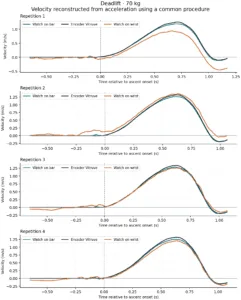
For that history to be useful, I need to trust the measurements. I use these data in my own work, and they can influence the decisions I make with my athletes. That is why we have put so much effort into improving Spleeft’s reliability and comparing its measurements with reference systems. You can also read our other scientific validation articles.
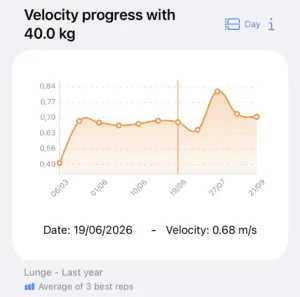
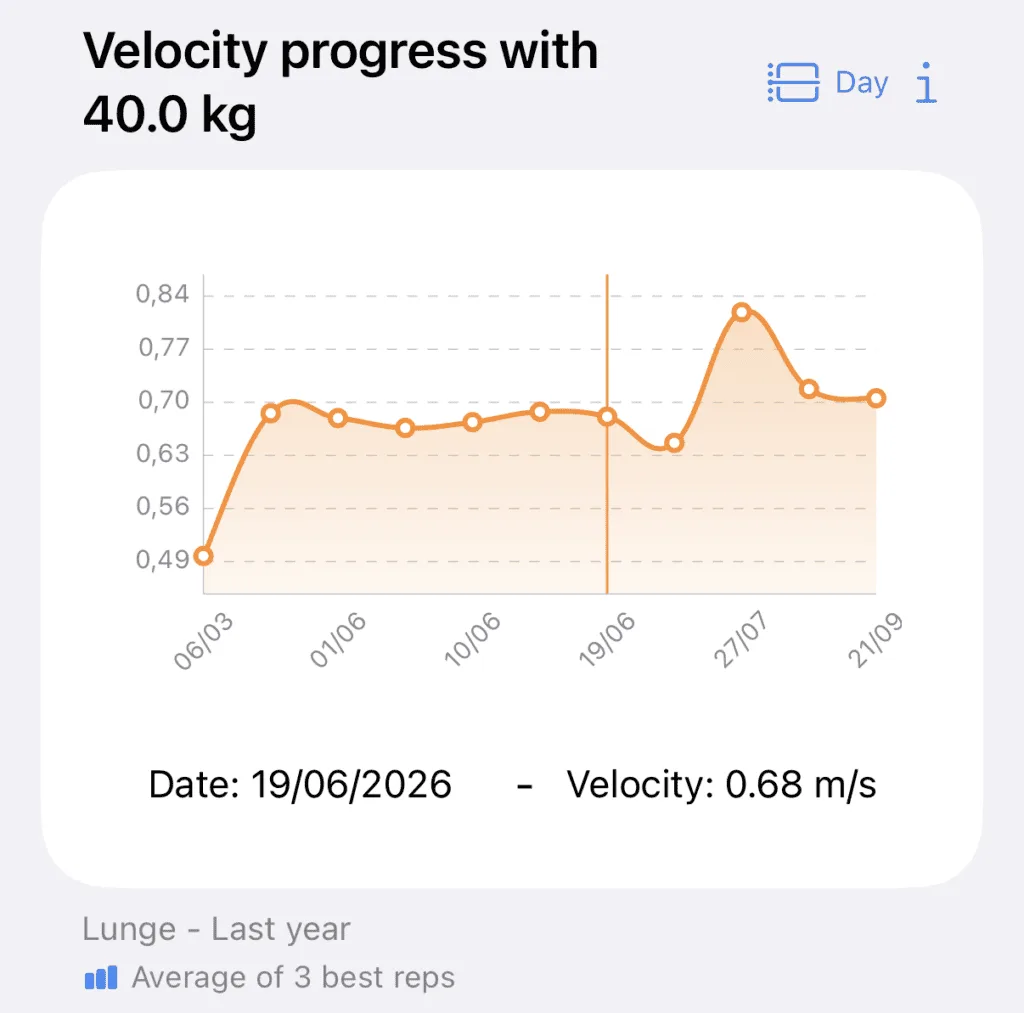
There is also something we notice through continued use: the data remain consistent enough for us to follow changes in training. Here are two screenshots from my own sessions, with different exercises and loads.
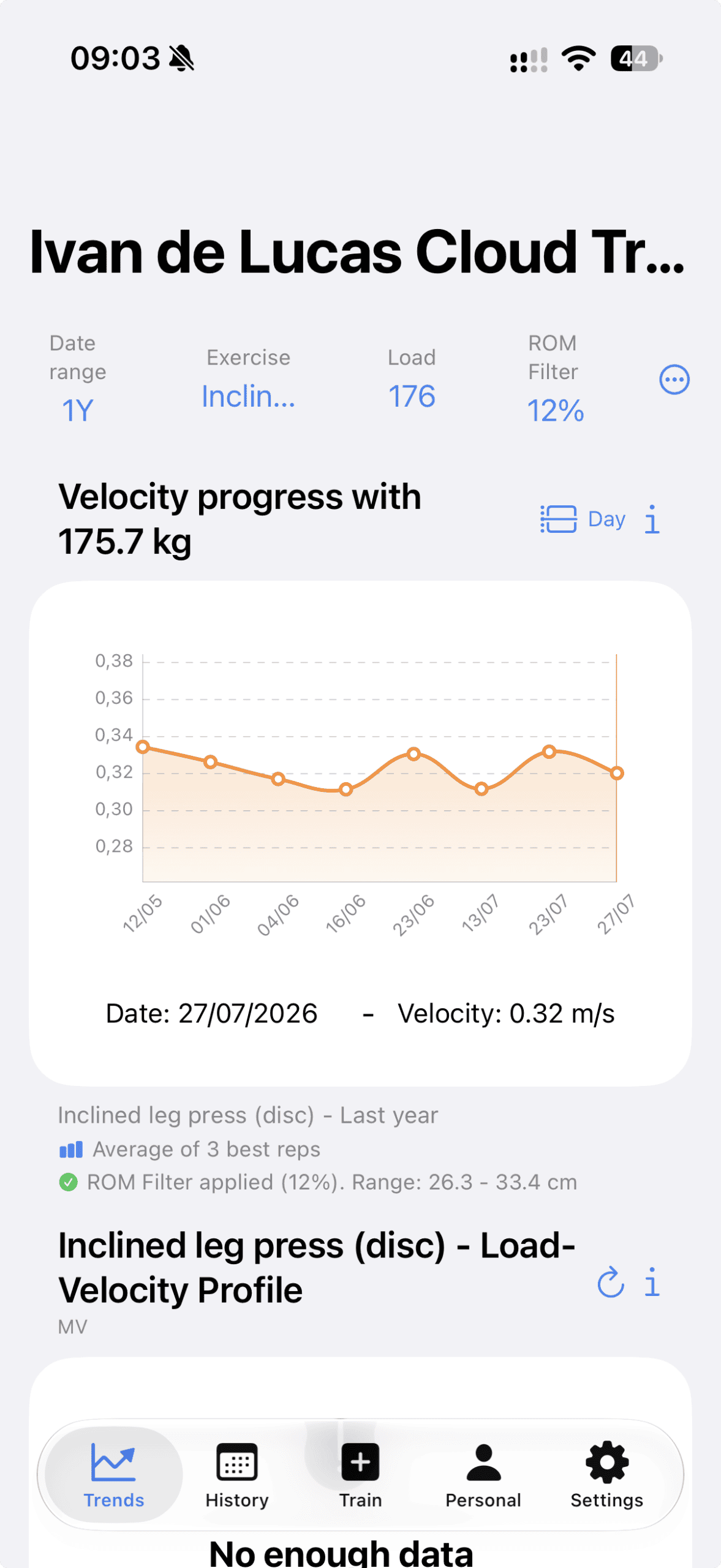
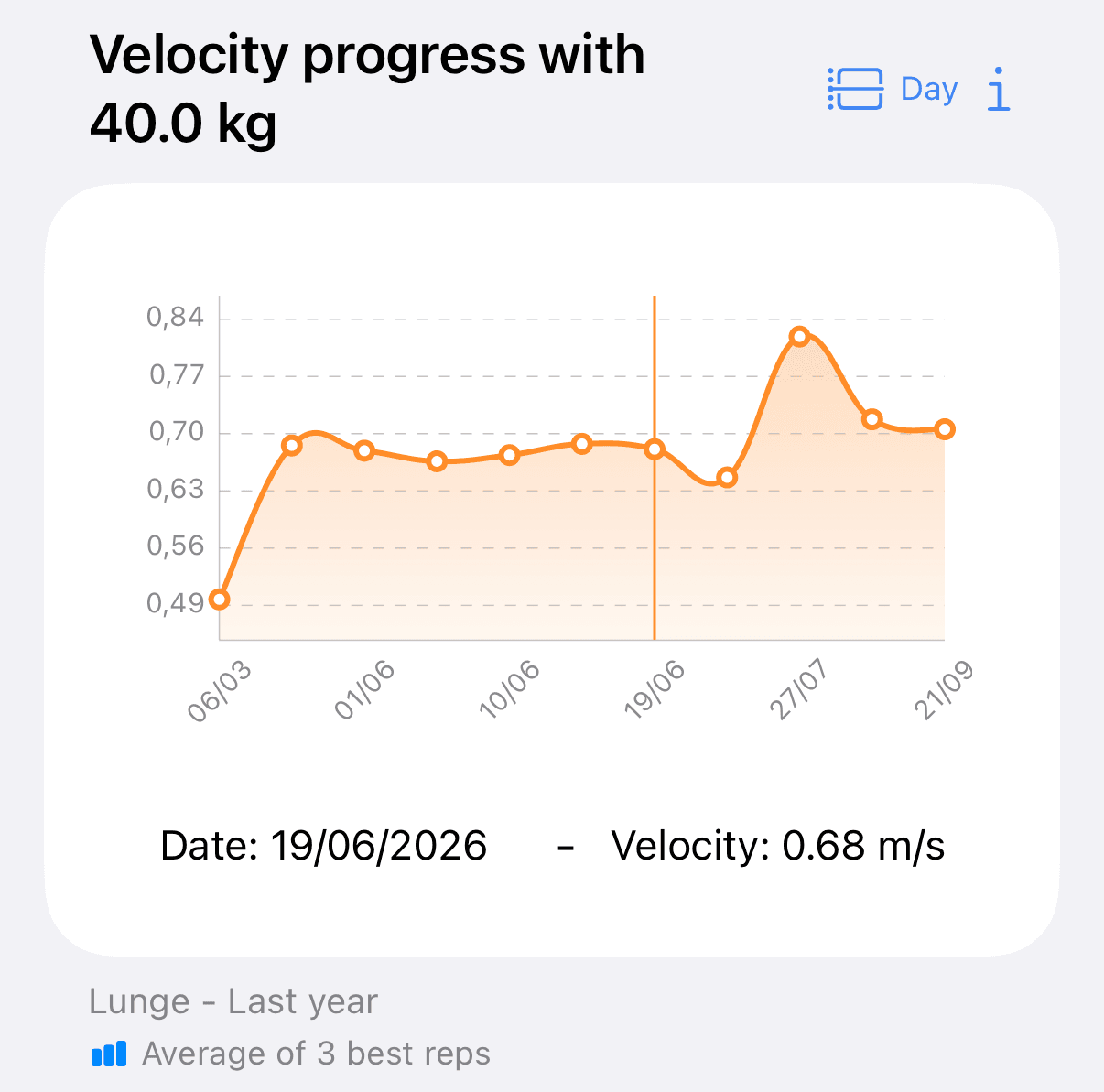
The comparisons with gold-standard devices in the article above support measurement validity; the consistency I see from day to day gives me confidence in reliability. And that consistency reassures me that we have useful data to inform our decisions.
Measuring Strength Training with iPhone and Apple Watch
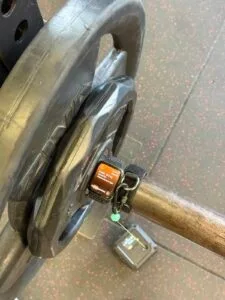
Another reason it fits our way of working is accessibility. We manage with the iPhone or Apple Watch we already own. In cycling, we already spend enough on the equipment specific to our sport. Being able to measure strength training without asking every athlete to buy another device makes it much easier to introduce and keep in their routine.
Connecting Athlete and Online Coach Data through iCloud
There is one feature that is particularly important to me as an online coach: the automatic connection to my athletes’ data through iCloud.
Once we share the data, I can review their sessions on my own devices. The athlete trains, and I have access to the information for analysis. That connection makes strength monitoring fit much better into our workflow, which uses tools such as TrainingPeaks, WKO5, and Intervals.icu. Our guide to getting started with Spleeft as an online coach explains how to set it up.
It is the only Athlete Management System (AMS) I know of for VBT. That is why I keep developing it. I need it to work smoothly with my athletes, without spending time manually reviewing and filing spreadsheets.
Why I Keep Developing Spleeft
The project’s potential financial return has its place, but my main motivation for continuing comes from what I see as a coach: athletes who are more engaged with strength training, more useful monitoring, and a service we have been able to improve. Every time we use Spleeft to better understand how an athlete is responding to training, I find a concrete reason to keep putting time into it.
If you also coach athletes online, you can download Spleeft from the App Store and try it in your own sessions to see what it can bring to your coaching.