El lanzamiento del Apple Watch en 2026 cambió las reglas del juego. La Serie 12 incorpora el sistema de detección de salud rediseñado de Apple, lecturas más frecuentes de la frecuencia cardíaca y la variabilidad de la frecuencia cardíaca (VFC) en segundo plano, una nueva experiencia de preparación y el chip S11. Para los deportistas y los entrenadores, la pregunta importante no es “¿qué dispositivo wearable recopila más datos?”, sino: ¿Cuál te ofrece datos fiables, te permite consultarlos cuando más lo necesitas y es compatible con las herramientas que realmente utilizas?

Por qué el Apple Watch Series 12 encabeza nuestra lista de finalistas de dispositivos wearables de 2027
El principal punto fuerte de Apple es la combinación de sensores y facilidad de uso. En su estudio sobre la precisión de la frecuencia cardíaca realizado en septiembre de 2026, Apple comparó el Series 12 con el Garmin Forerunner 970, el Google Pixel Watch 4, el Huawei Watch 5, el Samsung Galaxy Watch 8, el WHOOP 5 y el Oura Ring 5, tomando como referencia la banda pectoral Polar H10. De los 1.460 participantes inscritos, 1.254 aportaron mediciones emparejadas al análisis. Apple informó de un error globalmente inferior, desde el punto de vista estadístico, en los protocolos de entrenamiento y de la vida cotidiana en comparación con todos los dispositivos de referencia, tanto en el error medio absoluto (MAE) como en el error cuadrático medio (RMSE).
Se trata de una prueba significativa, sobre todo porque el protocolo incluía correr, montar en bicicleta, entrenamiento HIIT, entrenamiento de fuerza y actividad cotidiana, y no solo ejercicio en estado estable. De hecho, no hace que todas las indicaciones sobre salud que ofrece un reloj inteligente tengan automáticamente un nivel clínico, y es importante señalar que fue Apple quien diseñó y publicó el estudio. Aun así, se trata de un conjunto de datos comparativos muy sólido, en el que se utiliza como referencia una banda torácica reconocida, y supone un punto de partida mucho más útil que una comparación de carácter comercial.
En el caso de la Serie 12, el nuevo sistema también realiza lecturas de la frecuencia cardíaca en segundo plano cada cinco segundos y mide la variabilidad de la frecuencia cardíaca (VFC) cada cinco minutos, según Apple. La ventaja práctica es sencilla: puedes consultar una lectura durante una sesión en el propio dispositivo y luego utilizarla como referencia, no como un veredicto sobre tu salud o tu estado de preparación.
Un reloj inteligente debería ser útil durante el entrenamiento, no solo después de este.
Los monitores sin pantalla son ideales para quienes buscan principalmente un indicador pasivo de recuperación. Sin embargo, para el entrenamiento de fuerza, los intervalos, el running o el entrenamiento deportivo, una pantalla a color con buena respuesta es mucho más que un lujo. Facilita la visualización de la frecuencia cardíaca, el tiempo transcurrido, las series, los recordatorios y la información en tiempo real de la aplicación sin tener que interrumpir la sesión para coger el móvil.
Ahí es donde el Apple Watch tiene una ventaja excepcionalmente amplia: es a la vez un dispositivo wearable y un ordenador de muñeca con grandes prestaciones. El chip S11, la interfaz de watchOS y las aplicaciones de terceros permiten crear un flujo de trabajo en torno a tu entrenamiento, en lugar de quedarte limitado a la interpretación que un único proveedor hace de tus datos.
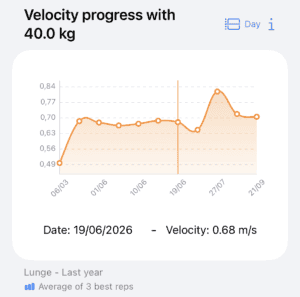
Para los usuarios de Spleeft, eso es importante. Controles del Apple Watch y Smart Zero ayudan a que el entrenamiento basado en la velocidad se mantenga más cerca de la barra, mientras que el ecosistema más amplio de Apple Health permite guardar la información de los entrenamientos en un mismo lugar. El valor no reside en “más paneles de control”, sino en la capacidad de relacionar los datos de una sesión con las decisiones que tomas durante la misma.
Las aplicaciones multiplican el valor del hardware
Este es el aspecto que muchas comparativas de dispositivos wearables pasan por alto: el Apple Watch no es solo un sensor de frecuencia cardíaca. Su valor puede aumentar en función de las aplicaciones que le instales. Un monitor específico se limita a la experiencia que ofrece su fabricante; un reloj inteligente, en cambio, puede convertirse en una pantalla de entrenamiento, un temporizador, una herramienta de registro, una ayuda para el entrenamiento o una interfaz de sensores especializada.
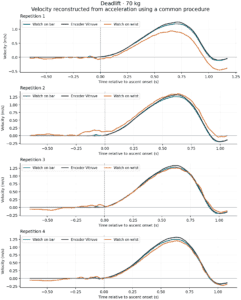
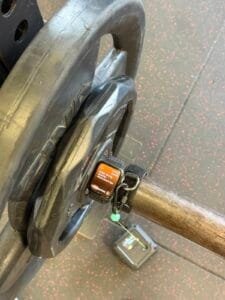
Spleeft es un claro ejemplo. Puede convertir el Apple Watch que ya llevas puesto en una herramienta para el entrenamiento de fuerza basado en la velocidad, lo que permite incorporar información sobre la velocidad de la barra en la sesión, en lugar de necesitar un codificador específico independiente para cada caso de uso. Para un deportista o entrenador que, de otro modo, tendría que comprar tanto una pulsera de fitness básica como un dispositivo de medición de velocidad independiente, esto cambia la ecuación de costes: un Apple Watch puede ofrecer funciones diarias de salud y de reloj inteligente, y además aportar un valor añadido al entrenamiento gracias a Spleeft y otras aplicaciones.
Esto no significa que un dispositivo sea automáticamente el sustituto adecuado para cualquier sistema de medición profesional o de laboratorio. Se trata de una cuestión de valor: cuando un reloj es, además, la plataforma para herramientas que realmente utilizas, su precio debería compararse con el coste total y las molestias que suponen varios dispositivos de uso específico, y no solo con el precio de otro reloj inteligente.
Para conocer los aspectos relacionados con el software de la plataforma, consulta nuestra guía sobre el mejores aplicaciones de salud para Apple Watch. Si quieres llevar tu entrenamiento más allá de la muñeca, nuestra guía te explica cómo hacerlo Sincroniza Spleeft con TrainingPeaks, Strava, TrainAsONE e Intervals.icu.
¿Es el Apple Watch Series 12 el dispositivo wearable más preciso?
Es el más preciso en cuanto a la medición de la frecuencia cardíaca entre los dispositivos evaluados en el estudio de Apple de 2026. Esa formulación es importante. El estudio evaluó una lista concreta de relojes inteligentes actuales, un anillo inteligente y una pulsera sin pantalla; no analizó todos los dispositivos wearables a la venta ni todas las métricas posibles. La precisión también puede variar en función del ajuste, el movimiento, el contacto con la piel, el tipo de entrenamiento, el firmware y la métrica que se esté midiendo.
Para un comprador que elija un reloj inteligente de uso general en 2027, este resultado sigue siendo relevante. Disponer de datos fiables sobre la frecuencia cardíaca es fundamental para las zonas de entrenamiento, las estimaciones de calorías, las estimaciones del VO₂ máx., las alertas y los resúmenes orientados a la recuperación. Hay que empezar por la calidad de los datos de entrada antes de comparar la sofisticación de la puntuación que se calcula a partir de ellos.
La verdad a cambio: la duración de la batería
La duración de la batería sigue siendo el punto más débil del Apple Watch. Apple estima que la Serie 12 ofrece hasta 24 horas de uso normal, aunque afirma que una carga rápida de 15 minutos puede aportar hasta 12 horas adicionales. Garmin, WHOOP y Oura son ideales para quienes dan prioridad a varios días de uso ininterrumpido frente a una experiencia de aplicaciones avanzada y una pantalla en tiempo real.
El Apple Watch se puede usar perfectamente para monitorizar el sueño. La cuestión es si su rutina de carga diaria se adapta a tus necesidades. Disponer de más datos continuos solo merece la pena cuando son válidos, comprensibles y influyen en una decisión útil. La carga más rápida de Apple permite a muchos usuarios mantener el seguimiento del sueño de forma práctica cargando el dispositivo mientras se duchan, se visten o trabajan. Si realmente no puedes o no quieres cargarlo a diario, elige el dispositivo cuyo comportamiento de la batería puedas mantener de verdad.
¿Necesitas el último modelo?
No necesariamente. Un Apple Watch de segunda mano puede ser una excelente opción para iniciarse si el precio es adecuado y el estado de la batería es aceptable. Nuestro equipo ha utilizado un Apple Watch SE de segunda mano de 30 € para realizar optimizaciones y pruebas; se trata de una anécdota de nuestro trabajo con el producto, no de una promesa de que todos los dispositivos más antiguos ofrezcan el conjunto de funciones de la Serie 12 o el mismo rendimiento de los sensores. Comprueba el estado de la batería, la compatibilidad, la resistencia al agua y el modelo exacto antes de comprar uno de segunda mano.
Los argumentos a favor de cambiarse a la Serie 12 son más sólidos si lo que buscas específicamente es su sistema de monitorización de la salud, las lecturas de frecuencia cardíaca en segundo plano cada cinco segundos, datos de variabilidad de la frecuencia cardíaca (VFC) más frecuentes o sus nuevas funciones de preparación. De lo contrario, un modelo anterior compatible, junto con las aplicaciones adecuadas, puede ser la opción más inteligente en cuanto a relación calidad-precio.
Apple Watch frente a Garmin, WHOOP y Oura: ¿quién debería elegir qué?
- Elige el Apple Watch Serie 12 si buscas un reloj inteligente completo, con seguimiento del sueño, visualización en tiempo real de tus entrenamientos, una carcasa que garantice una gran precisión en la medición de la frecuencia cardíaca, funciones de seguridad y un amplio ecosistema de aplicaciones para el iPhone.
- Elige un Apple Watch con Spleeft si quieres incorporar información sobre el entrenamiento basada en la velocidad a un dispositivo que también sirva como reloj para el día a día, monitor de actividad física y plataforma de aplicaciones.
- Elige Garmin si la autonomía de la batería de varios días, la navegación al aire libre y las herramientas específicas para pruebas de resistencia son tus principales prioridades.
- Elige entre WHOOP u Oura si prefieres un dispositivo wearable pasivo que distraiga menos y das prioridad a la duración de la batería o al uso durante el sueño frente a una pantalla interactiva.
- Elige un Apple Watch más antiguo si quieres la plataforma y las aplicaciones a un precio más bajo, pero no necesitas el hardware del sensor de la Serie 12.
Para una comparación más amplia, consulta nuestra guía sobre precisión de los dispositivos wearables en 2026. Si tu objetivo es el entrenamiento de fuerza, empieza con nuestro Guía de la aplicación Spleeft VBT para ver cómo los datos pueden contribuir a un flujo de trabajo de formación reproducible.
Los corredores que estén dudando entre los dos ecosistemas de relojes inteligentes más habituales también pueden leer nuestro Guía comparativa entre el Apple Watch y Garmin para corredores.
En resumen
El Apple Watch Series 12 es nuestra mejor recomendación en cuanto a dispositivos wearables versátiles para 2027. No es el dispositivo con mayor autonomía, ni es la opción más adecuada para todos los deportistas. Sin embargo, su combinación de una precisión en la medición de la frecuencia cardíaca ampliamente reconocida, una pantalla realmente útil, un software potente y un ecosistema de aplicaciones que puede ampliar su funcionalidad a herramientas como Spleeft lo convierte en la opción más completa para quienes quieren que su dispositivo participe en el entrenamiento, y no se limite a observarlo.
Preguntas frecuentes
¿Merece la pena comprar el Apple Watch Series 12 para hacer deporte?
Es una opción muy recomendable para quienes buscan datos de entrenamiento en tiempo real, aplicaciones, funciones de salud e integración con el iPhone, todo en un solo dispositivo. Si una autonomía de varios días es una prioridad imprescindible para ti, plantéate optar por otro dispositivo wearable.
¿Puede el Apple Watch sustituir a una banda torácica?
Para muchos entrenamientos cotidianos, la Serie 12 destaca por su gran precisión. La banda pectoral sigue siendo una opción sensata cuando se necesita la medición más directa de la frecuencia cardíaca basada en un ECG para una sesión concreta, o cuando el ajuste en la muñeca y el movimiento hacen que las lecturas ópticas no sean fiables.
¿Pueden los datos del Apple Watch diagnosticar una enfermedad?
No. Las funciones de los dispositivos wearables no sustituyen al asesoramiento, el diagnóstico ni el tratamiento médicos. Sigue las recomendaciones regionales de Apple sobre estas funciones y consulta con un profesional sanitario cualificado si tienes síntomas o dudas relacionadas con la salud.
Fuentes
- Estudio sobre la precisión de la medición de la frecuencia cardíaca del Apple Watch (septiembre de 2026)
- Información del producto Apple Watch Serie 12