
Si la fuerza máxima es tu cualidad de “un gran golpe”, resistencia aeróbica es todo lo que ocurre después del primer golpe. Es tu capacidad para seguir moviéndote, seguir pensando con claridad y seguir produciendo cosas útiles. velocidad mucho después de que haya desaparecido la primera oleada de adrenalina.
En los deportes de equipo es el jugador que sigue cerrando espacios en el minuto 90. En la sala de pesas es el atleta cuya barra velocidad apenas baja de la primera a la cuarta serie. En la vida es subir tres tramos de escaleras con una bolsa en cada mano y darte cuenta de que tu respiración apenas ha cambiado.
Entendiendo el significado de resistencia aeróbica y sabiendo cómo mejorar la resistencia cardiorrespiratoria no es negociable si te preocupa el rendimiento, la recuperación o la salud a largo plazo. Y si utiliza Aplicación Spleeft, Si no lo haces, tienes un poderoso (e infrautilizado) aliado para hacer que el trabajo aeróbico sea tan medible e intencionado como tu entrenamiento de fuerza.
¡DESCARGA LA APLICACIÓN SPLEEFT AHORA PARA iOS, ANDROID Y APPLE WATCH!
El significado de la resistencia aeróbica (más allá del “cardio”)
Una simple descripción de la resistencia aeróbica es la capacidad de realizar ejercicio físico a una intensidad moderada durante un periodo de tiempo prolongado, dependiendo principalmente del oxígeno para alimentar el trabajo muscular.¹
Fisiológicamente, la resistencia aeróbica depende de:
La capacidad de los pulmones para transportar oxígeno al organismo
La eficacia con la que el corazón y los vasos sanguíneos transportan el oxígeno.
La capacidad de los músculos de utilizar oxígeno para producir ATP a lo largo del tiempo.
Por eso el significado de resistencia aeróbica a menudo se utiliza indistintamente como “forma física aeróbica”, “resistencia cardiorrespiratoria” o “resistencia cardiovascular” en la bibliografía².
Desde el punto de vista de un entrenador, una buena resistencia aeróbica significa:
Los deportistas tienen más velocidad durante más tiempo antes de fatigarse
Se recuperan más rápido entre esfuerzos explosivos
Su ritmo cardíaco y su respiración se calman más rápidamente después de episodios intensos.
En resumen: la resistencia aeróbica es la base que hace que todo tu trabajo de alta intensidad sea repetible.

Resistencia aeróbica frente a resistencia cardiorrespiratoria
Si alguna vez se ha preguntado si “resistencia aeróbica” y “resistencia cardiorrespiratoria” son sólo sinónimos de marketing, no es el único.
La mayoría de las definiciones prácticas de resistencia cardiorrespiratoria describen la capacidad del corazón, los pulmones y el sistema circulatorio de suministrar oxígeno a los músculos en funcionamiento para que puedan mantener la actividad.² La descripción de la resistencia aeróbica se centra en la capacidad de mantener un ejercicio de intensidad moderada a alta a lo largo del tiempo.
Funcionalmente:
Resistencia aeróbica = el resultado del rendimiento (cuánto tiempo, con qué intensidad puedes llegar)
Resistencia cardiorrespiratoria = la capacidad del sistema que sustenta ese resultado
VO₂ máx., por ejemplo, es una medida fisiológica utilizada a menudo como marcador de la aptitud aeróbica. Los valores de VO₂ máx. más elevados suelen indicar una mejor resistencia aeróbica, aunque la economía y los umbrales también importan.
Para los entrenadores, las etiquetas importan menos que las implicaciones: se trata de construir un sistema que pueda suministrar y utilizar el oxígeno de manera eficiente para que los atletas puedan mantener una vida útil. velocidad y repetir esfuerzos de alta calidad.
Por qué importa la resistencia aeróbica en el rendimiento real
La resistencia aeróbica no es sólo para los maratonianos. Estudios realizados en distintos deportes demuestran que una mayor capacidad aeróbica favorece:⁴⁵
Mejor tolerancia a las cargas elevadas de los partidos de fútbol y deportes intermitentes similares.
Recuperación más rápida entre intervalos intensos o sprints repetidos
Mayor capacidad para mantener esfuerzos cercanos al umbral sin desvanecimientos catastróficos.
En cuanto a la vida cotidiana, la investigación y las orientaciones clínicas apuntan a una mejora de la resistencia aeróbica como escudo contra las enfermedades cardiovasculares, la diabetes de tipo 2 y la mortalidad prematura".
Para sus atletas, eso significa:
Más capacidad de trabajo en los bloques de entrenamiento (más repeticiones de alta calidad antes de que se desmoronen)
Menos fatiga para la misma carga de trabajo
Recuperación más suave y rápida entre sesiones
La pregunta es: cómo mejorar la resistencia cardiorrespiratoria de una forma selectiva, progresiva y que no destruya la fuerza y el poder en el proceso?
Métodos de entrenamiento: ¿cómo mejorar la resistencia cardiorrespiratoria?
Hay varias formas probadas de aumentar resistencia aeróbica, Todo ello depende de la aplicación de un volumen y una intensidad suficientes a lo largo del tiempo para forzar los sistemas cardiovascular y muscular sin llegar a la fatiga crónica.
1. Entrenamiento continuo de intensidad moderada
Trabajo clásico en estado estacionario a un esfuerzo cómodo pero resuelto, a menudo en torno al 60-75% de la frecuencia cardiaca máxima o a un ritmo de conversación.
Beneficios: mejora del volumen sistólico, la capilarización y la actividad enzimática aeróbica básica⁶.
Lo mejor para: salud general, primeras fases de base, desarrollo de capacidades de bajo impacto
Esta es la columna vertebral del descripción de la resistencia aeróbicala capacidad de “seguir adelante” durante más de 20-60 minutos.
2. Tempo / trabajo de umbral
Esfuerzos en torno al umbral de lactato (o umbral funcional), normalmente algo que puedas aguantar entre 20 y 60 minutos pero que te parezca “cómodamente duro”⁶⁷.
Beneficios: aumenta la intensidad que puedes mantener aeróbicamente, mejora la amortiguación y el despeje.
Mejor para: atletas de resistencia y jugadores de deportes de equipo que necesiten un “crucero” fuerte” velocidad
3. Entrenamiento por intervalos
Alternar segmentos de trabajo y descanso a intensidades más altas es una de las herramientas más potentes para mejorar tanto el VO₂ máximo como el resistencia aeróbica.⁸
Ejemplos:
4×4 min a ~80-90% HRmax con 3 min de trote suave (intervalos aeróbicos clásicos)
6-10×2-3 min a un esfuerzo moderado-duro con recuperaciones iguales o ligeramente más cortas
Un metaanálisis controlado descubrió que tanto la carrera continua de intensidad moderada como la de alta intensidad pueden mejorar significativamente el rendimiento aeróbico y el VO₂ máximo, y que los protocolos de mayor intensidad consiguen a veces ganancias similares en menos tiempo total⁸.
4. Entrenamiento a intervalos de alta intensidad (HIIT)
Los intervalos muy intensos (a menudo en las zonas 4-5 de la frecuencia cardiaca) con una breve recuperación también pueden mejorar resistencia aeróbica cuando se programa con cuidado.⁸⁹
Beneficios: fuerte estímulo central (corazón) y periférico (músculo)
Riesgos: es fácil excederse, puede interferir con la fuerza/hipertrofia si no se equilibra¹⁰
Cada uno de estos métodos es una respuesta válida a cómo mejorar la resistencia cardiorrespiratoria, pero la mezcla adecuada depende del contexto del deportista, su edad de entrenamiento y otros objetivos de rendimiento.
Dónde encaja Spleeft: convertir el trabajo aeróbico en un acondicionamiento basado en la velocidad
La mayoría de los planes aeróbicos siguen viviendo en el terreno de la frecuencia cardíaca, el RPE o el ritmo. Útiles, pero incompletos.
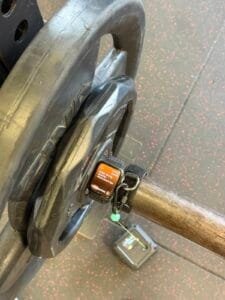
Aplicación Spleeft le permite tratar el acondicionamiento como el levantamiento: con velocidad datos.
Tú puedes:
Medir el funcionamiento velocidad en intervalos o esfuerzos más largos
Barra de rodadura velocidad si utiliza patrones de carga cíclica (p. ej., complejos de pesas ligeras) para el trabajo aeróbico
Vea cómo velocidad decae a lo largo de las repeticiones o series: una señal de resistencia por derecho propio.
Emparejado con Spleeft Hub o una simple evaluación de VO₂/umbral, puede definir velocidad zonas para diferentes tipos de trabajo de resistencia aeróbica, entonces:
Fijar intervalo preciso velocidad objetivos en lugar de sólo “correr duro”
Detener las sesiones cuando velocidad o la producción desciende por encima del umbral previsto
Individualizar el entrenamiento para deportistas con capacidades diferentes pero siguiendo la misma estructura
Ahora el descripción de la resistencia aeróbica en su programa no es “30 minutos de cardio”, sino “25-35 minutos en la Zona 2 a 3,0-3,4 m/s” u “8×2 min a 90-95% de su capacidad aeróbica". velocidad línea de base”. Spleeft lo concreta rep a rep.

Formas prácticas de utilizar Spleeft para los bloques de resistencia aeróbica
Hagámoslo tangible.
Ejemplo 1: Construir una base aeróbica básica
Objetivo: mejorar la baja intensidad resistencia aeróbica en un equipo de deportes de campo.
Protocolo:
2-3 sesiones continuas a la semana de 20-40 minutos cada una
Frecuencia cardíaca objetivo Zona 2-3 (aproximadamente 60-75% FCmáx)
Spleeft: media logarítmica velocidad para cada bloque continuo
Giro de coaching con Spleeft:
A lo largo de 4-6 semanas, busque aumentos graduales de la media velocidad a la misma frecuencia cardíaca o RPE
Si velocidad retrocede a una frecuencia cardíaca determinada durante varias sesiones, usted tiene una señal temprana de fatiga o enfermedad
Aquí resistencia aeróbica La mejora aparece como “misma carga interna, mayor velocidad externa”, exactamente el tipo de tendencia que Spleeft está diseñado para captar.
Ejemplo 2: Intervalos aeróbicos para deportes de equipo
Objetivo: mejorar la gama alta resistencia aeróbica y recuperación entre sprints.
Protocolo (2×/semana):
6-8×3 min corriendo a un esfuerzo fuerte pero sostenible
2 min de trote suave entre esfuerzos
Objetivo: 80-90% de la mejor prueba aeróbica velocidad (derivado de una contrarreloj de 6-8 min o una prueba MAS)
Con Spleeft:
Cada representante muestra en directo velocidad, no sólo tiempo
Estableces una regla: si un atleta cae por debajo de 95% del objetivo velocidad dos repeticiones seguidas, su trabajo de intervalos ha terminado por hoy.
Esto respeta la significado de resistencia aeróbica como una cualidad que mejora cuando las repeticiones son de suficiente calidad, no cuando los atletas cojean en intervalos basura.
Ejemplo 3: Combinar fuerza y resistencia aeróbica
Objetivo: mejorar la resistencia cardiorrespiratoria sin perder fuerza.
Las investigaciones sobre el entrenamiento simultáneo demuestran que los volúmenes elevados de trabajo intenso de resistencia pueden mermar las ganancias de fuerza, potencia e hipertrofia, especialmente cuando están mal secuenciados.¹⁰
Con Spleeft puedes:
Mantener el trabajo de fuerza basado en la velocidad (por ejemplo, 0,50-0,70 m/s en sentadillas).
Carrera más corta y controlada resistencia aeróbica intervalos después de fuerza, seguimiento velocidad para que la calidad siga siendo alta
Ajustar el volumen de resistencia cuando la barra velocidad las tendencias muestran una fatiga acumulada
En lugar de preguntarse “cómo mejorar la resistencia cardiorrespiratoria” de forma aislada, Spleeft permite preguntarse: “cómo mejorarla...". sin comprometer nuestras principales cualidades de fuerza/potencia?” La respuesta está en los datos.
Ejemplo 4: Individualizar la resistencia aeróbica dentro de un pelotón
En cualquier escuadrón, algunos atletas tienen naturalmente un alto resistencia aeróbica, otros se quedan atrás.
Un flujo práctico:
Realice una evaluación aeróbica sencilla (por ejemplo, una prueba de carrera de 6 minutos o una prueba de lanzadera) y utilice los resultados y los datos de frecuencia cardiaca para clasificar la actividad actual. resistencia aeróbica.
Utiliza Spleeft para identificar las características típicas de cada jugador velocidad a una determinada frecuencia cardíaca o RPE.
Agrupar a los atletas en tres pistas:
Baja capacidad aeróbica: más trabajo continuo, intervalo ligeramente inferior velocidad
Medium: mezcla equilibrada de continuo + intervalo
Alto: intervalo más agresivo velocidad objetivos, menos ataques pero más agudos
Los estudios de entrenamiento por intervalos en futbolistas sugieren que los deportistas con menor capacidad aeróbica pueden responder mejor a intervalos más extensos, mientras que los de mayor capacidad pueden soportar intervalos más intensos o más cortos a mayor intensidad relativa.⁵
Spleeft le ofrece velocidad retroalimentación para asegurarse de que cada grupo está trabajando realmente donde usted cree que lo está haciendo; se acabó eso de “el mismo silbido, estímulos muy diferentes”.”
Preguntas frecuentes
1. ¿Con qué frecuencia deben entrenar los deportistas la resistencia aeróbica durante la temporada?
Para la mayoría de los deportes de campo y de pista, 2-3 resistencia aeróbica exposiciones por semana (a menudo mezcladas con acondicionamiento futbolístico, partidos de fútbol reducido o carreras estructuradas) es suficiente para mantener o mejorar la capacidad, siempre que las exigencias de los partidos sean altas.²⁴ Con Spleeft, puedes recortar el volumen si semanalmente velocidad y las métricas de preparación sugieren fatiga acumulada.
2. ¿Mejorar la resistencia aeróbica implica siempre carreras largas y aburridas?
En absoluto. El significado de resistencia aeróbica se trata de mantener el esfuerzo, no de sufrir por la monotonía. Los intervalos bien diseñados, los juegos en espacios reducidos, el acondicionamiento en circuito y el trabajo de modalidad mixta pueden contribuir a aumentar el rendimiento. resistencia aeróbica. La clave está en mantener el trabajo durante el tiempo suficiente y con la frecuencia adecuada con la carga interna y externa adecuada, que Spleeft le ayuda a controlar mediante velocidad tendencias.
3. ¿Centrarse en la resistencia aeróbica puede perjudicar a la fuerza y la hipertrofia?
Puede, especialmente si añades mucho cardio de larga duración y alta frecuencia a un programa de levantamiento ya exigente. Un metaanálisis sobre el entrenamiento simultáneo descubrió que ciertas combinaciones de modalidad de resistencia, volumen y frecuencia pueden anular las ganancias de fuerza e hipertrofia. velocidad y para proteger los días clave de fuerza es una forma práctica de obtener los beneficios de resistencia aeróbica sin interferencias.
4. ¿Cómo sé si mi resistencia aeróbica está mejorando realmente?
Más allá del “me parece más fácil”, busque indicadores objetivos:
Media más alta velocidad a la misma frecuencia cardíaca o RPE
Frecuencia cardíaca más baja al mismo velocidad
Más trabajo total de alta calidad (tiempo o distancia) antes de velocidad se deteriora
Con Spleeft, puede hacer un seguimiento de las tres cosas registrando velocidad y emparejándolo con los datos de frecuencia cardíaca y RPE. Si a lo largo de 4-6 semanas tus atletas se mueven más rápido con la misma carga interna, sus resistencia aeróbica está mejorando.
5. ¿Es la resistencia aeróbica igual de importante para todas las posiciones y deportes?
En descripción de la resistencia aeróbica se aplica en general, pero su importancia relativa varía según el papel. Un centrocampista central o un escolta de baloncesto viven y mueren en resistencia aeróbica, ...mientras que un levantador de pesas sólo necesita... resistencia aeróbica para recuperarse entre series y sesiones pesadas. Spleeft le permite calibrar: más velocidad-trabajo aeróbico basado en la fuerza para las funciones que cubren más distancia o tienen mayores exigencias de repetición de esfuerzo; trabajo mínimo pero específico para los atletas que dominan la potencia.

Iván de Lucas Rogero
Aplicación de rendimiento físico y CEO de MSC
Dedicado a mejorar el rendimiento atlético y el entrenamiento ciclista, combinando ciencia y tecnología para impulsar resultados.
Referencias
La ciencia en el deporte. “¿Qué es la resistencia aeróbica?”. Definición y explicación práctica de la resistencia aeróbica y los efectos del entrenamiento.
UC Davis Health. “VO₂max y condición física aeróbica”: explicación de la condición física aeróbica, la resistencia cardiorrespiratoria y los sistemas de suministro de oxígeno.
Orientación de Hinge Health y la ADA sobre el impacto en la salud de la resistencia aeróbica y la actividad física para la gestión de enfermedades crónicas.
Tomczak A et al. “La capacidad aeróbica como indicador en diferentes tipos de deportes”. Perfiles comparativos de VO₂ máx y requisitos de resistencia entre disciplinas.
Investigación sobre la capacidad máxima de VO₂, los métodos de entrenamiento a intervalos y sus efectos sobre la resistencia en jugadores de fútbol.
Textos de entrenamiento de resistencia que resumen los efectos del entrenamiento continuo y a tempo sobre el metabolismo aeróbico y la resistencia a la fatiga.
Recursos sobre las zonas de frecuencia cardíaca que describen cómo se orientan las distintas zonas (especialmente las Zonas 2-3) resistencia aeróbica adaptaciones.
Estudios que comparan la carrera continua o a intervalos de alta intensidad frente a la carrera continua moderada sobre la resistencia aeróbica y el VO₂ máx.
Reseñas sobre el HIIT y su papel en la mejora de las capacidades aeróbicas y anaeróbicas cuando se gestiona adecuadamente.
Hickson RC et al. y metaanálisis posteriores sobre la interferencia del entrenamiento concurrente entre el trabajo aeróbico y el de resistencia.