General
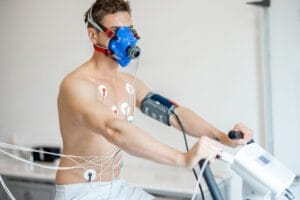
VO₂ Max Test, Running Velocity, and How Spleeft Hub Supercharges Your Conditioning
If strength is your engine size, VO₂ max is the size of your fuel pump. You can bolt on all the power you want in


If strength is your engine size, VO₂ max is the size of your fuel pump. You can bolt on all the power you want in

Overspeed training has a certain mystique. The first time an athlete clips into a towing system or an assisted treadmill and suddenly finds themselves running

You step on the mound, take a breath, and let one rip. The gun flashes a number that’s… fine. Not bad. But not the number

You walk into a powerlifting meet and immediately notice two worlds colliding. One side has lifters in singlets, belts, and sleeves—raw powerlifting warriors grinding out
You unrack a heavy squat that should be routine. On paper it’s 85%—nothing heroic—but today it feels like a house. You grind out three ugly reps, stare

You rush into the gym, maybe do 30 seconds of light jogging, and jump straight into your main lift. Sound familiar? Most people treat warm up
If strength is your engine size, VO₂ max is the size of your fuel pump. You can bolt on all the power you want in
Overspeed training has a certain mystique. The first time an athlete clips into a towing system or an assisted treadmill and suddenly finds themselves running
You step on the mound, take a breath, and let one rip. The gun flashes a number that’s… fine. Not bad. But not the number
You walk into a powerlifting meet and immediately notice two worlds colliding. One side has lifters in singlets, belts, and sleeves—raw powerlifting warriors grinding out
You unrack a heavy squat that should be routine. On paper it’s 85%—nothing heroic—but today it feels like a house. You grind out three ugly reps, stare
You rush into the gym, maybe do 30 seconds of light jogging, and jump straight into your main lift. Sound familiar? Most people treat warm up


