Entras corriendo en el gimnasio, tal vez haces 30 segundos de footing ligero, y saltas directamente a tu levantamiento principal. ¿Te resulta familiar? La mayoría de la gente trata rutina de calentamiento antes del ejercicio como una casilla que hay que marcar en lugar de la base fundamental que es en realidad. Están dejando el rendimiento sobre la mesa y, lo que es más importante, están aumentando significativamente el riesgo de lesiones.
Esto es lo que la investigación deja claro: Una estructura calentamiento corporal completo no consiste sólo en hacer fluir la sangre. Es una secuencia deliberada diseñada para preparar su sistema nervioso, aumentar la elasticidad de los tejidos, elevar la temperatura muscular y establecer la preparación neuromuscular.¹ Cuando usted estiramientos de calentamiento no existen o están mal ejecutadas, el entrenamiento posterior resulta menos eficaz, más fatigoso y más arriesgado.
La ciencia es convincente: Los estudios demuestran que la ejercicios de estiramiento entrenamiento reducen las tasas de lesiones hasta en un 36% en los atletas juveniles.² Los atletas que aplican protocolos estiramientos de calentamiento antes del entrenamiento muestran una mejora de las métricas de rendimiento y una mayor calidad del movimiento en todos los ejercicios.
Veamos exactamente qué es un rutina de calentamiento antes del ejercicio cómo medir si su preparación está funcionando realmente y cómo Spleeft App le ayuda a realizar un seguimiento de la preparación en tiempo real.
¡DESCARGA LA APLICACIÓN SPLEEFT AHORA PARA iOS, ANDROID Y APPLE WATCH!
La ciencia detrás del calentamiento: Por qué es importante
Antes de pasar a ejercicios específicos, comprenda lo siguiente: el calentamiento no es sólo una cuestión de comodidad. Es una necesidad fisiológica que afecta al rendimiento, la seguridad y los resultados del entrenamiento a largo plazo.¹
Una adecuada calentamiento corporal completo realiza varias adaptaciones fundamentales:
1. Aumenta la temperatura muscular y central
Cuando la temperatura muscular aumenta, se producen varios cambios positivos:³.
Aumento de la actividad enzimática (que acelera la producción de energía)
Reducción de la viscosidad muscular (haciendo que el movimiento sea más eficiente)
Mayor liberación de oxígeno de la hemoglobina (mejor suministro de sustrato energético)
Mejora de la velocidad de conducción nerviosa (transmisión más rápida de la señal entre el cerebro y los músculos).
Un aumento de 1-2 °C en la temperatura muscular produce mejoras mensurables en la producción de fuerza y potencia".
2. Activa el sistema nervioso
Los movimientos dinámicos de calentamiento despiertan el sistema nervioso central. Esto significa que los músculos responden mejor, los reflejos se agudizan y mejora la coordinación de los movimientos.¹ Por eso los movimientos dinámicos estiramientos de calentamiento funcionan mejor que los estiramientos estáticos antes del entrenamiento, ya que mantienen el sistema nervioso activado en lugar de relajarlo.
3. Mejora la preparación del movimiento
Cuando realizas movimientos dinámicos en tu rutina de calentamiento antes del ejercicio Este efecto de preparación neuronal mejora la coordinación y reduce el deterioro de la forma durante el ejercicio con carga.
4. Aumenta la amplitud de movimiento y la fluidez articular
Adecuado ejercicios de estiramiento entrenamiento durante el calentamiento aumenta la movilidad de las articulaciones y la flexibilidad de los tejidos sin los efectos perjudiciales para el rendimiento que tienen los estiramientos estáticos cuando se realizan en frío.² Las articulaciones se mueven con más libertad, los músculos se extienden más y mejora la calidad general del movimiento.

La realidad de la prevención de lesiones: Lo que muestra la investigación
Uno de los argumentos más sólidos para estructurar calentamiento corporal completo proviene de la investigación sobre prevención de lesiones. Los metaanálisis son claros: los programas de calentamiento correctamente diseñados reducen significativamente el riesgo de lesiones.²
La base empírica
Un metaanálisis exhaustivo que examinó a 21.576 participantes en 15 ensayos controlados aleatorizados halló:
36% reducción de la incidencia global de lesiones con programas de intervención de calentamiento estructurado⁴.
32% reducción de las lesiones de las extremidades inferiores sin contacto en poblaciones específicas de fútbol⁵.
Efectos especialmente fuertes en lesiones de tobillo y rodilla-las lesiones deportivas más frecuentes⁴.
No son mejoras marginales. Una reducción de 36% en la tasa de lesiones es sustancial. Para un equipo de 20 atletas con una tasa media de lesiones de 5 por temporada, estructurado estiramientos de calentamiento podría evitar entre 3 y 4 lesiones al año.
El mecanismo: Por qué el calentamiento previene las lesiones
El efecto protector procede de múltiples factores:
Reducción de la rigidez de los tejidos: Los músculos y tendones fríos son más frágiles. El calentamiento aumenta la elasticidad, haciendo que los tejidos sean más resistentes a las cargas repentinas.²
Mejora de la propiocepción: El calentamiento dinámico activa los mecanismos de equilibrio y de conciencia de la posición del cuerpo, reduciendo los patrones de movimiento torpes que conducen a lesiones.⁶
Control motor mejorado: La activación neuronal mejora la coordinación y reduce los movimientos bruscos e incontrolados que provocan torceduras y esguinces.
Aumento de la distensibilidad del tendón: Los tendones se vuelven más flexibles cuando están calientes, resistiendo mejor la rotura que los tendones fríos.¹
Estiramiento estático frente a estiramiento dinámico: entender la diferencia fundamental
Esta distinción es fundamental para conseguir su rutina de calentamiento antes del ejercicio Bien.
Estiramientos estáticos: la elección equivocada antes de entrenar
El estiramiento estático -mantener un estiramiento durante 15-60 segundos- produce varios efectos agudos cuando se realiza antes del ejercicio:⁷
Reducción de la producción de fuerza (3-5% disminución de la fuerza)
Potencia reducida (8-12% disminución de la potencia explosiva)
Reducción de la activación muscular (menor impulso neural)
Reducción temporal de la rigidez muscular (que merma la potencia)
Esto no se debe a que el estiramiento estático sea “malo”. Es porque el estiramiento estático relaja los músculos y el sistema nervioso. Ese estado relajado es genial después de formación. Antes del entrenamiento, es contraproducente.⁷
Estiramientos dinámicos: la elección correcta para el calentamiento
Los estiramientos dinámicos -mover los músculos a través de rangos de movimiento controlados con movimientos continuos- producen efectos opuestos:²
Aumento del flujo sanguíneo (30-40% mejora del suministro de oxígeno)
Potencia mejorada (3-7% mejora aguda cuando se combina con un calentamiento específico)
Mejora de la calidad del movimiento (mejor coordinación, patrones más suaves)
Rigidez muscular mantenida o aumentada (que apoya la producción de energía)
Investigación sobre la estiramientos de calentamiento encontrado un 79% mejora de las métricas de rendimiento en múltiples criterios al comparar el calentamiento activo con el no calentamiento.⁸
Un protocolo completo de calentamiento corporal
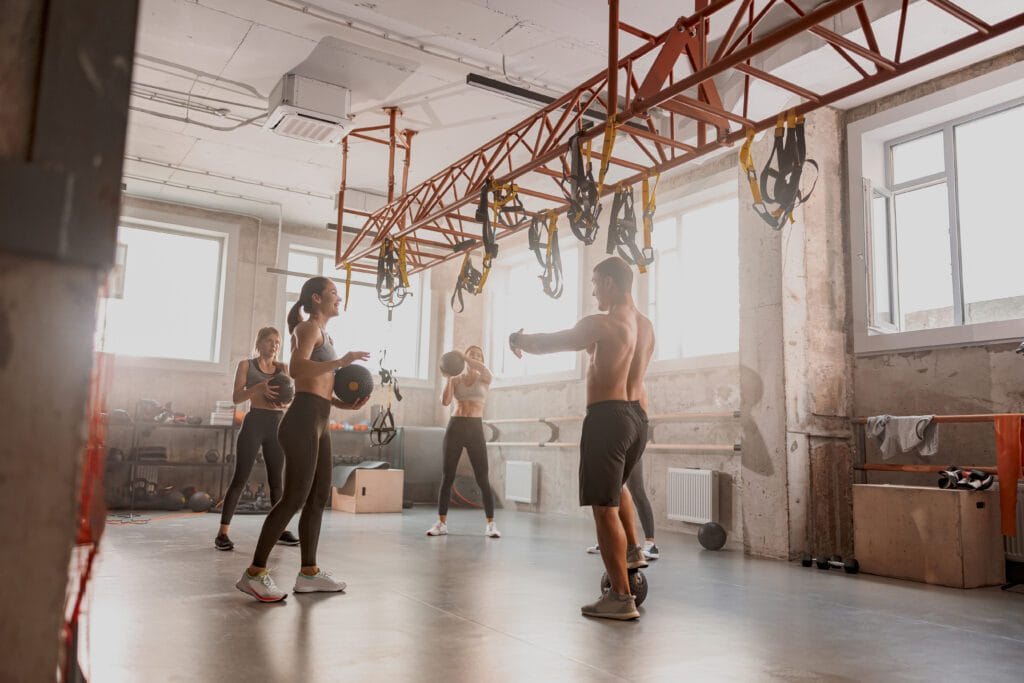
He aquí un ejemplo basado en pruebas calentamiento corporal completo que le prepara para cualquier sesión de entrenamiento. Se tarda aproximadamente entre 8 y 10 minutos.
Fase 1: Activación cardiovascular general (2 minutos)
Comience con movimientos de baja intensidad para elevar Frecuencia cardíaca y la temperatura central:
Marcha sobre el terreno o trote fácil2 minutos, manteniendo la intensidad a un esfuerzo de 40-50%
Objetivo: Aumentar la frecuencia cardiaca a 120-130 lpm, empezar a sudar ligeramente.
Esto establece la preparación cardiovascular de base
Fase 2: Estiramientos dinámicos y movilidad (4-5 minutos)
Realiza cada movimiento durante 10-12 repeticiones controladas por lado. Se trata de ejercicios activos y dinámicos ejercicios de estiramiento entrenamiento movimientos, no presas estáticas:
| Movimiento | Áreas objetivo | Representantes | Propósito |
|---|---|---|---|
| Círculos en los brazos | Hombros, pecho, manguito rotador | 10 en cada dirección | Movilidad del hombro, activación escapular |
| Balanceo de piernas (adelante/atrás) | Flexores de la cadera, isquiotibiales, glúteos | 10 por pierna | Movilidad de la cadera, activación del equilibrio |
| Balanceo de piernas (lateral) | Abductores y aductores de la cadera | 10 por pierna | Estabilidad lateral de la cadera, seguimiento de la rodilla |
| Estocadas caminando | Cuádriceps, glúteos, flexores de la cadera | 10 por pierna | Activación de la parte inferior del cuerpo, amplitud de movimiento |
| Gusanos | Isquiotibiales, pecho, core | 8 repeticiones | Estiramiento dinámico de los isquiotibiales, compromiso del núcleo |
| Rotaciones del torso | Oblicuos, columna torácica | 10 por lado | Movilidad rotacional, activación del núcleo |
| Puentes de glúteos | Glúteos, lumbares, core | 12 repeticiones | Activación de la cadena posterior, extensión de la cadera |
| Rodillas Altas (marcha) | Flexores de la cadera, cuádriceps, core | 30 segundos | Estimulación cardiovascular y neuromuscular |
Fase 3: Calentamiento específico del deporte/ejercicio (2-3 minutos)
Realice 2-3 series de su levantamiento principal a 40-60% de su carga de trabajo centrándose en la calidad del movimiento, no en la velocidad:
Ejemplo de press de banca con barra:
Serie 1: 6 repeticiones @ sólo barra (barra vacía)
Serie 2: 5 repeticiones @ 50% carga de trabajo
Serie 3: 3 repeticiones @ 75% carga de trabajo
Esta preparación específica permite que tu sistema neuromuscular “ensaye” el patrón de movimiento exacto que realizarás bajo carga.¹
Medir la preparación: Usar la velocidad para confirmar que el calentamiento ha funcionado
Aquí es donde la mayoría de los atletas pierden una oportunidad crítica: Completan un rutina de calentamiento antes del ejercicio, pero nunca verifican que la preparación se haya producido realmente.
La velocidad de referencia en la primera serie de trabajo indica si el calentamiento ha sido eficaz. Los estudios demuestran que un calentamiento adecuado debería producir mejoras cuantificables en la velocidad de la barra en comparación con el valor de referencia en frío.⁹
Ejemplo: Comprobación de la preparación para el press de banca
Sin un calentamiento adecuado:
Velocidad de la primera repetición: 0,52 m/s (lento, neurológicamente no preparado)
Con un calentamiento adecuado:
Velocidad de la primera repetición: 0,65 m/s (nítida, neurológicamente preparada)
Esa diferencia de velocidad 25% indica que tu sistema nervioso está realmente preparado para entrenar. Si usted no está viendo esta mejora de la velocidad después de su estiramientos de calentamiento, tu preparación fue insuficiente.
Uso de Spleeft para controlar la eficacia del calentamiento
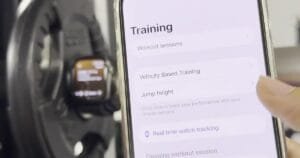
Spleeft App te permite realizar un seguimiento de tu velocidad basal antes y después de tu calentamiento corporal completo. He aquí cómo utilizarlo:
Antes del calentamiento: Realiza 1-2 repeticiones de una carga submáxima y anota la velocidad
Después del calentamiento: Realiza la misma carga y repeticiones, comparando la velocidad
Mejora prevista: El aumento de la velocidad 10-20% indica una activación efectiva del sistema nervioso
Si la velocidad disminuye tras el calentamiento (lo que indica una recuperación insuficiente o una preparación subóptima), dispondrás de información en tiempo real para:
Amplíe su activación cardiovascular
Añade más estiramientos dinámicos
Aumentar el volumen específico del calentamiento
O reconoce que necesita más recuperación antes de entrenar
Este feedback objetivo evita que empieces tu entrenamiento principal en un estado subóptimo.¹⁰

Calentamiento: ¿cuánto tiempo antes de entrenar?
Una pregunta práctica: Una vez que termine su rutina de calentamiento antes del ejercicio, ¿Cuánto tiempo puede esperar antes de entrenar?
Las investigaciones demuestran que los beneficios del calentamiento se estancan después de unos 15-20 minutos si permaneces inactivo.¹ Tu elevada temperatura muscular, la activación del sistema nervioso y la preparación cardiovascular empiezan a disminuir.
Orientación práctica:
Realizar el calentamiento inmediatamente antes del entrenamiento: 0-5 minutos antes del set principal (óptimo)
Hasta 10 minutos: Sigue siendo eficaz, pero puede disminuir ligeramente el rendimiento
Más de 15 minutos: Disminución significativa de los beneficios de la preparación; volver a calentar si es necesario.
Si completa su estiramientos de calentamiento y luego pasas 20 minutos charlando o esperando el equipo, estás perdiendo eficacia. Estructura tu entrenamiento para empezar el trabajo principal a los 5-10 minutos de terminar el calentamiento.
Personalizar el calentamiento en función del tipo de ejercicio
Diferentes enfoques de entrenamiento requieren un énfasis ligeramente diferente en el calentamiento:
Para entrenamiento de fuerza/potencia (cargas pesadas)
Enfatiza:
Activación cardiovascular más prolongada (3 minutos)
Estiramientos más dinámicos para activar el sistema nervioso
Preparación específica del deporte más larga (4-5 series hasta alcanzar la carga de trabajo)
Calentamiento total: 12-15 minutos
Para entrenamiento de hipertrofia (cargas moderadas)
Enfatiza:
Activación cardiovascular moderada (2 minutos)
Estiramientos dinámicos estándar (4 minutos)
2-3 series de calentamiento específico del deporte
Calentamiento total: 8-10 minutos
Para acondicionamiento/trabajo metabólico
Enfatiza:
Activación cardiovascular más larga (3-4 minutos) a intensidad moderada
Estiramientos dinámicos de todo el cuerpo (5 minutos)
Movimientos específicos del deporte, si procede (2-3 minutos)
Calentamiento total: 12-15 minutos
Preguntas frecuentes: Preguntas frecuentes sobre el calentamiento
1. ¿Debo realizar un calentamiento corporal completo incluso para un día de entrenamiento de un solo grupo muscular?
Sí, pero puedes reducir ligeramente la duración. Tu sistema nervioso se beneficia independientemente de los músculos que estés entrenando. Sin embargo, incluye siempre un calentamiento específico para los ejercicios que vayas a realizar. Un calentamiento abreviado de 6-8 minutos rutina de calentamiento antes del ejercicio es mejor que saltarse por completo el calentamiento, pero los protocolos completos son superiores para la prevención de lesiones y el rendimiento.
2. ¿Es importante realizar ejercicios de estiramiento después del entrenamiento (estiramientos de enfriamiento) o sólo estiramientos de calentamiento?
Ambos son importantes por razones diferentes. Los estiramientos estáticos post-entrenamiento ayudan a la recuperación, reducen el dolor muscular de aparición retardada (DOMS) y ayudan a bajar el ritmo cardíaco. No es tan importante como antes del entrenamiento. estiramientos de calentamiento para el rendimiento inmediato, pero un enfriamiento con estiramientos estáticos de 5 minutos es valioso para la movilidad y la recuperación a largo plazo.
3. ¿Puedo saltarme el calentamiento los días de entrenamiento suave?
No se recomienda saltar, pero se puede reducir el volumen. Un calentamiento abreviado de 5 minutos mantiene los beneficios de la prevención de lesiones y requiere una inversión de tiempo mínima. La constancia en el protocolo de calentamiento establece hábitos neuromusculares y garantiza la prevención de lesiones en todos los días de entrenamiento.
4. ¿Qué edad debo tener para necesitar un calentamiento estructurado de todo el cuerpo?
La investigación sobre la eficacia del calentamiento muestra beneficios en todas las edades. Sin embargo, una estructura estricta es más importante para los atletas mayores de 14 años. Para los niños menores de 14 años, 3-4 minutos de movimiento dinámico suelen ser suficientes. Para los adultos y los deportistas de competición, se recomienda encarecidamente el protocolo completo de 8-10 minutos.
5. ¿Qué pasa si ya estoy caliente por la actividad previa (como llegar al gimnasio después de una clase de ejercicio)?
Sigues necesitando un calentamiento específico del deporte para tu entrenamiento principal para garantizar el ensayo neuromuscular de los patrones específicos. Puedes acortar la activación cardiovascular a 1 minuto, pero no te saltes los estiramientos dinámicos ni la preparación específica. El calentamiento residual ayuda, pero la especificidad es insustituible.

Iván de Lucas Rogero
Aplicación de rendimiento físico y CEO de MSC
Dedicado a mejorar el rendimiento atlético y el entrenamiento ciclista, combinando ciencia y tecnología para impulsar resultados.
Referencias
Obispo D. Calentamiento I: Mecanismos potenciales y efectos del calentamiento pasivo en el rendimiento del ejercicio. Sports Med. 2003;33(6):439-454.
Behm DG, Chaouachi A. Revisión de los efectos agudos de los estiramientos estáticos y dinámicos sobre el rendimiento. Eur J Appl Physiol. 2011;111(11):2633-2651.
Fradkin AJ, Zazryn TR, Smoliga JM. Efectos del calentamiento en el rendimiento físico: Una revisión sistemática con metaanálisis. J Strength Cond Res. 2010;24(1):140-148.
Afonso J, Ramírez-Campillo R, Moscão J, et al. ¿Es realmente necesario calentar antes del ejercicio de resistencia? J Strength Cond Res. 2023;37(8):1559-1569.
El Calentamiento del Entrenamiento Neuromuscular Previene las Lesiones Agudas de las Extremidades Inferiores: A Randomized Controlled Trial. Sports Med. 2021;51(4):841-856.
Siatras T, Papadopoulos G, Mameletzi D, Gerodimos V, Kellis S. Efecto de los estiramientos agudos estáticos y dinámicos en la velocidad de los gimnastas en salto vertical J Strength Cond Res. 2003;17(3):861-865.
Cramer JT, Housh TJ, Weir JP, et al. Efectos agudos de los estiramientos estáticos sobre el par máximo, la potencia media, la electromiografía y la mecanomiografía. Eur J Appl Physiol. 2005;93(5-6):530-539.
McEwen B, Chelf C. Un metaanálisis de los resultados del calentamiento y el rendimiento. J Sports Med Phys Fitness. 2010;50(1):31-48.
Weakley J, Mann B, Banyard H, et al. Entrenamiento basado en la velocidad: de la teoría a la aplicación. Fuerza Cond J. 2021;43(2):31–49.
Aplicación Spleeft. Evaluación de la velocidad antes del entrenamiento y control de la preparación. Disponible en spleeft.app. Realiza un seguimiento de la velocidad de la barra de referencia antes y después del calentamiento para confirmar la activación del sistema nervioso (espera una mejora de 10-20% después del calentamiento), asegurándote de que estás neurológicamente preparado para entrenar antes de comenzar las series de trabajo principales.
Lo esencial: El calentamiento no es negociable
Una adecuada rutina de calentamiento antes del ejercicio no es algo que haya que hacer deprisa o corriendo. Es una fase de preparación deliberada y basada en pruebas:
Reduce los índices de lesiones en 36% o más
Mejora el rendimiento en un 3-12% dependiendo del enfoque del entrenamiento
Evita la degradación de fuerza/potencia que se produce con los arranques en frío
Establece la calidad del movimiento y la preparación neuromuscular
La ciencia es consistente: Los deportistas que aplican calentamiento corporal completo protocolos con ejercicios de estiramiento entrenamiento muestran resultados superiores en cuanto a rendimiento, longevidad y seguridad¹.
Utiliza Spleeft para verificar que tu calentamiento está funcionando. velocidad de seguimiento mejoras antes y después de la preparación. No adivines si estás preparado: mídelo.
Tómate 10 minutos. Hágalo sistemáticamente. Tus resultados de entrenamiento y tu historial de lesiones reflejarán la inversión.