发展爆发速度的超速训练方案

超速训练

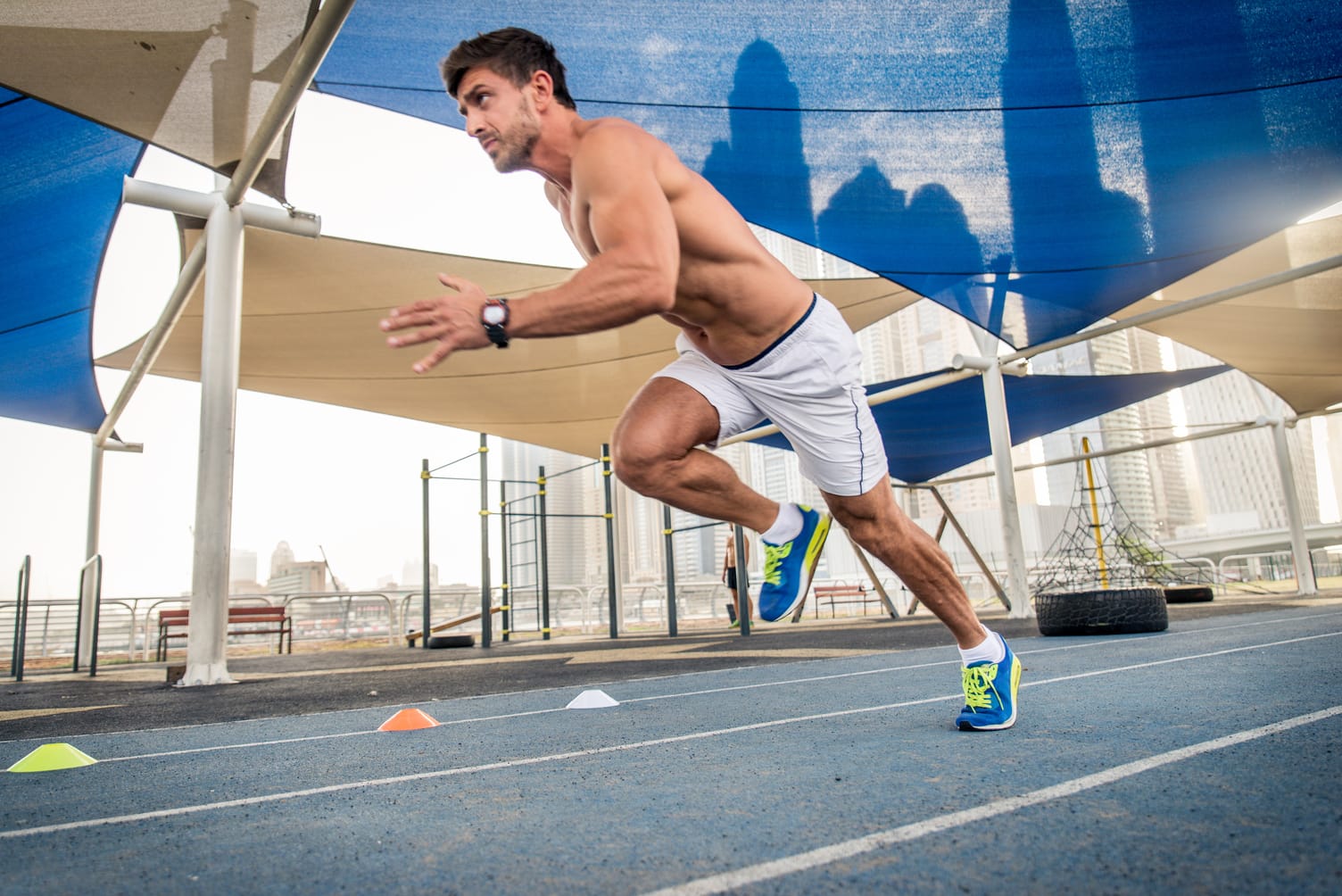
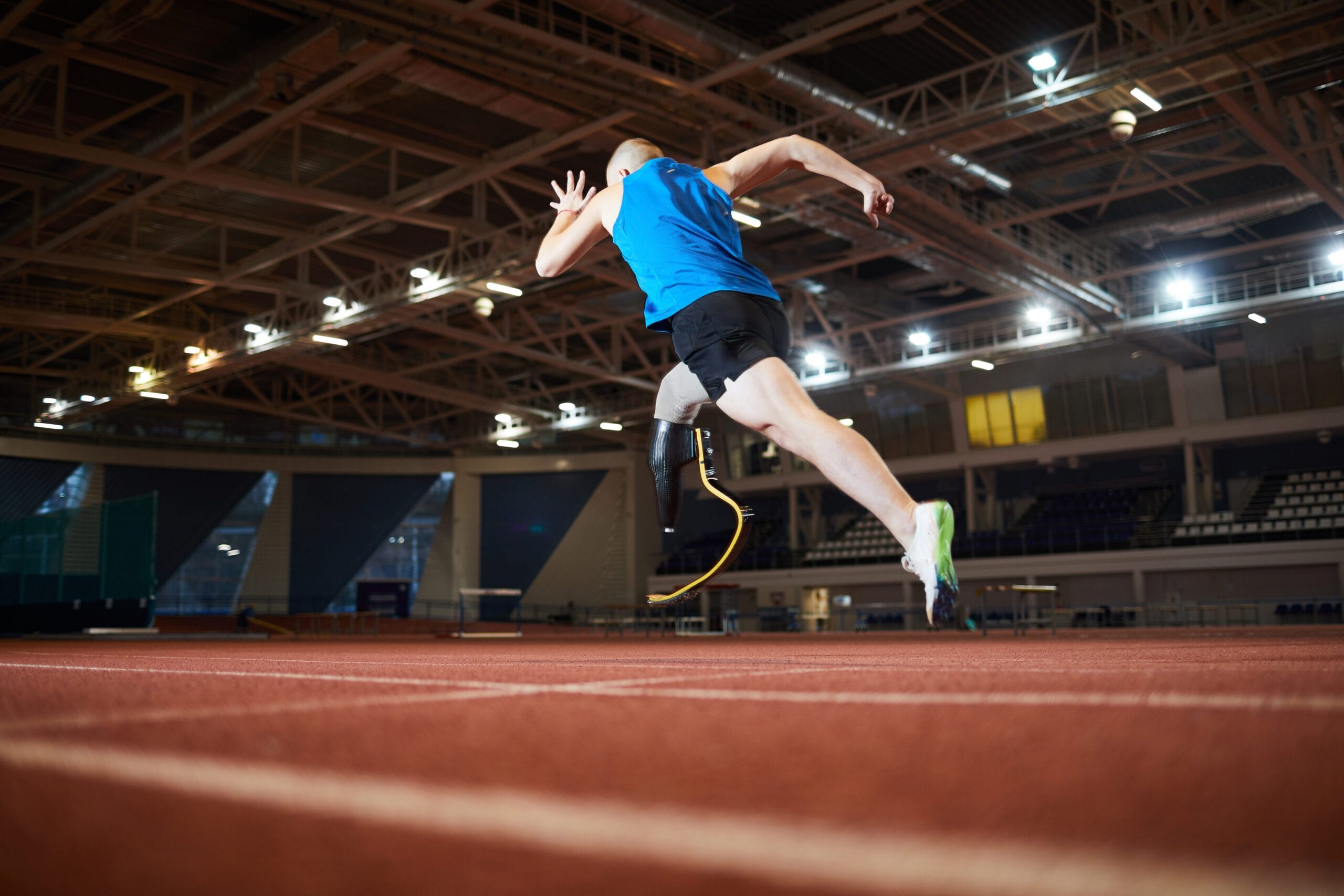
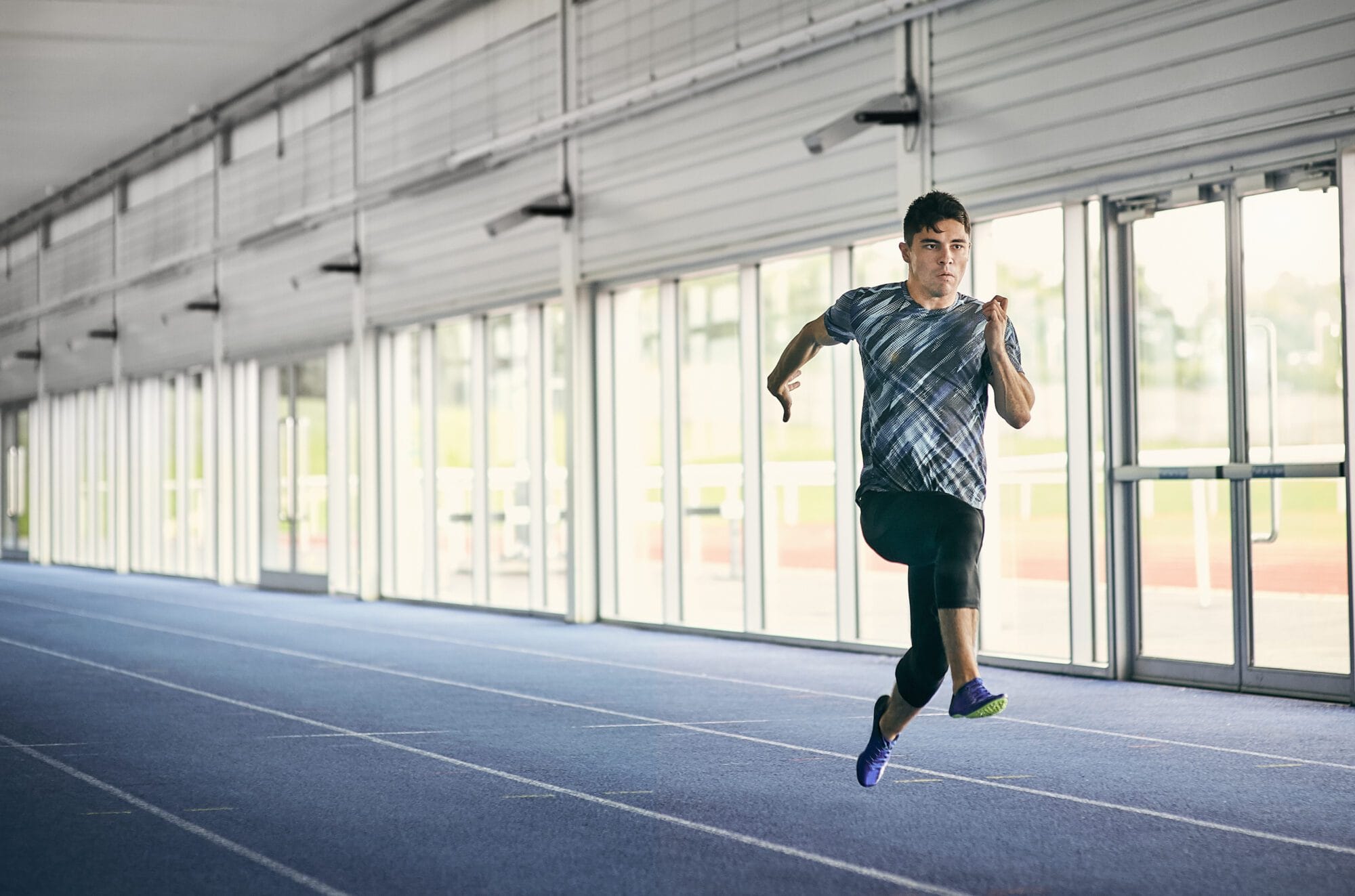
Overspeed training has a certain mystique. The first time an athlete clips into a towing system or an assisted treadmill and suddenly finds themselves running at a velocity they’ve never hit before, their eyes usually say it all: “I didn’t know my legs could move like that.”

Done well, overspeed training is one of the sharpest tools we have for upgrading explosive performance: shorter ground contacts, longer strides, cleaner frontside mechanics, and a nervous system that finally understands what “maximal velocity” really feels like.¹⁶ Done badly, it’s a fast track to ugly technique and irritated hamstrings.

Let’s walk through what overspeed actually does, when it makes sense, and how to plug Spleeft 应用程序 into the process so every assisted sprint, jump, or throw is controlled by real-time velocity—not guesswork.

立即下载适用于 iOS、Android 和 Apple Watch 的 SPLEEFT 应用程序!

What overspeed training really is (and isn’t)

其核心是, overspeed training means using some form of external assistance to move the athlete at a slightly higher running or movement velocity than they can achieve by themselves.¹

Common methods include:²³

  • Motorized towing systems (e.g., 1080 Sprint)

  • Elastic band towing or partner-assisted runs

  • Slight downhill sprints on carefully chosen gradients

  • Assisted treadmill running at supramaximal belt velocity

The goal is not simply “go faster for its own sake.” The real goal is neuromuscular learning:

  • Expose the athlete to higher limb and step velocities than they can self-generate

  • Encourage more efficient kinematics (longer stride length, shorter contact times)

  • Reduce braking forces and improve frontside mechanics at high velocity

If you think in force–velocity terms, resisted work overloads force; overspeed work overloads 速度. Together, they form a powerful pairing for explosive performance.

超速训练

What the research actually says about overspeed training

Coaches have used overspeed for decades, but we now have real data instead of just anecdotes.

A systematic review and meta-analysis on towing-based overspeed training found that supramaximal assisted runs produced acute increases in maximum running velocity, stride length, and flight time, alongside reduced contact time.¹ These changes reflect exactly the kind of stride profile we want for maximal-velocity phases: longer, more aggressive steps with crisp contacts.

Another study comparing resisted, normal, and assisted 30 m sprints showed that assisted conditions clearly altered step kinematics—fewer total steps, longer step length, and shorter contact times—while still preserving a recognizable sprint pattern.² A similar analysis of 60 m assisted sprints found that pulling loads increased step velocity primarily via longer step length, again with reduced contact time, especially in female sprinters.³

A longitudinal meta-analysis looked at both resisted and assisted sprint interventions and reported moderate improvements in acceleration with resisted work and moderate improvements in maximal velocity and contact-time variables after assisted or combined methods.⁴ In other words:

  • Resisted work: better first 10–20 m (acceleration)

  • Overspeed work: better top-end velocity and step quality

Put together, this is exactly what we want from overspeed training for explosive performance: not a magic trick, but a targeted upgrade of high-velocity mechanics.

Key benefits of overspeed training for explosive performance

When you program overspeed training correctly, you’re chasing specific outcomes:

  1. Higher maximal running velocity Assisted towing and downhill running consistently allow athletes to reach velocities 5–10% above their unassisted best in controlled conditions.¹⁵ This exposure appears to help raise the ceiling of what “maximal” feels like for the nervous system.

  2. Longer stride length with preserved or improved frequency Multiple studies show longer steps under overspeed conditions without catastrophic losses in step rate.²³ That’s a recipe for better explosive performance in maximal-velocity phases.

  3. Shorter ground contact times Contact time tends to drop as assistance increases, especially in the later phases of a sprint, which mirrors the demands of high-level sprinting and many field sports.¹²

  4. Technique corrections under “forced” velocity Coaches consistently report that overspeed forces athletes into better postures: higher hips, more frontside mechanics, cleaner shin angles.⁵ It’s not that the assistance magically teaches technique—but it creates an environment where sloppy mechanics simply don’t work.

  5. High neural stimulus with relatively low metabolic cost Because overspeed bouts are short, with full recoveries, you get a strong CNS stimulus for explosive performance without frying the anaerobic system—perfect for in-season micro-doses or peaking.

Who overspeed training is ideal for (and who should wait)

Overspeed is not a beginner’s toy. Think of it as a high-precision tool reserved for athletes who have already earned their technical foundation.

Great candidates for overspeed training:

  • Experienced sprinters with solid mechanics wanting to raise maximal velocity¹⁴

  • Team sport athletes who already sprint weekly and need a higher-velocity stimulus (e.g., wingers, wide receivers)⁵​

  • Return-to-play athletes re-integrating high-velocity work under structured, measurable conditions²⁵

Athletes who should delay overspeed training:

  • Beginners who haven’t yet learned basic sprint mechanics

  • Athletes with recent hamstring, hip flexor, or calf injuries

  • Players who rarely sprint at or above 90% of their current max velocity in normal training

A simple rule: if an athlete can’t hold technical quality in regular maximal-velocity runs, they’re not ready for overspeed training. You don’t want to hard-wire bad patterns at even higher velocity.

Types of overspeed training and what they’re best for

Below is a text-style comparison you can drop straight into a program document or WordPress.

Assisted towing (belt or harness):

  • Best for: precise control of assistance, progressive overload, research-backed explosive performance work¹⁶

  • Pros: adjustable pulling force, measurable velocity, repeatable sessions

  • Cons: equipment cost and setup demands

Downhill sprinting (very slight slope, 1–3%):

  • Best for: simple field-based overspeed when technology is limited²

  • Pros: easy to implement, no tether required

  • Cons: hard to standardize gradient and exact velocity, risk if slope is too steep

Band-assisted sprints:

  • Best for: short accelerations into maximal-velocity exposures⁵

  • Pros: cheap, flexible

  • Cons: variable assistance, difficult to quantify without tech

Assisted treadmill running:

  • Best for: controlled velocity exposures in facilities with proper treadmills²

  • Pros: precise belt velocity, lab-like environment

  • Cons: technique often looks different than overground; not always transferable

Regardless of method, the principles are the same: small supramaximal bump (usually 5–10% velocity above unassisted), low rep counts, full recoveries, obsessive technique focus.

How Spleeft App makes overspeed training safe and surgical

Overspeed is powerful precisely because it’s hard to feel the line between “stimulus” and “too much.” This is where Spleeft 应用程序 changes the game.

Instead of guessing, you track:

  • Exact running velocity for each rep

  • Percentage above the athlete’s unassisted max velocity

  • Contact-time trends via integrated timing or partner devices

  • Velocity decay across reps (a proxy for neuromuscular fatigue)

Step 1: Establish true maximal velocity baseline

Before any overspeed training, you need 2–3 sessions of honest, fully recovered maximal-velocity sprints—e.g., 2–4 × 30–40 m with flying starts. Use Spleeft to log peak and average velocity for each rep.

This gives you:

  • Athlete’s current max velocity (e.g., 9.5 m/s)

  • Velocity profile across distance (e.g., where they hit peak and how long they hold it)

Step 2: Set overspeed targets

Most research and expert practice cluster around assistance that increases running velocity by about 5–10%.¹³⁶

If the athlete’s max is 9.5 m/s, you target:

  • Overspeed session range: roughly 10.0–10.5 m/s

  • Anything above 10.5–10.7 m/s is likely too aggressive for most

Spleeft lets you see in real time whether your towing load or downhill gradient is producing that range. If the first rep jumps to 11+ m/s, you know you overshot.

Step 3: Control volume using velocity, not vibes

For overspeed, more is not better. Most protocols use:

  • 4–8 assisted reps per session total¹⁴

  • Distances of 20–40 m depending on sport

  • Full recoveries (2–4 minutes) so each rep is truly maximal

With Spleeft you can apply a velocity-drop rule:

  • If 峰值速度 drops more than 3–5% from the best rep of the day, terminate the session

  • If contact times (when measured) start lengthening meaningfully, terminate the session¹²

Now your overspeed training isn’t “3×30 because the spreadsheet says so” but “quality until measurable output declines.”

超速训练

Integrating overspeed with velocity-based strength work

Overspeed alone is never the whole story. The best explosive performance programs pair it with VBT-based 力量训练.

A case-series study in sprinters compared adjusting squat loads by daily velocity vs sticking to pre-planned percentages. The velocity-adjusted group maintained more stable relative intensity and likely more specific neural stimulus across 12 sessions.⁷

Practically, a weekly template might look like:

  • Day 1: VBT squats (0.60–0.75 m/s zone) + plyometrics

  • Day 2: Technical sprint work (no assistance)

  • Day 3: Overspeed training (assisted sprints) + light VBT

  • Day 4: Strength/power maintenance

Spleeft ties this together:

  • Tracks bar velocity on squat/clean sessions

  • Tracks running velocity on overspeed sessions

  • Flags days where both are down (systemic fatigue risk)

  • Helps you individualize both load and assistance for every athlete

That’s how you turn “velocity-based training” from a buzzword into a coherent strategy.

Example overspeed microcycle using Spleeft

Let’s build a simple 2-week block for a field-sport athlete in a velocity-focused phase.

Week 1:

  • Session A (Monday):

    • Warm-up + technical drills

    • 3 × 30 m unassisted flying sprints (20 m build, 30 m timed)

    • Log maximal velocity with Spleeft (baseline)

  • Session B (Thursday):

    • Warm-up + drills

    • 4 × 25 m assisted sprints with towing, targeting +5% velocity vs baseline

    • Spleeft rule: stop if rep velocity drops >5% from best rep or if contacts clearly lengthen

Week 2:

  • Session A (Monday):

    • 3–4 × 30 m unassisted, checking whether new max velocity increased

  • Session B (Thursday):

    • 5 × 25–30 m assisted sprints, still within +5–8% window

    • Same Spleeft drop-off rule

After those two weeks you can see:

  • Whether maximal unassisted velocity nudged upward

  • Whether the athlete tolerates assistance without mechanical breakdown

  • How different assistance levels affect their kinematics

From there you either progress, maintain, or temporarily remove overspeed training depending on output and readiness.

常见问题

1. Is overspeed training only useful for track sprinters?

No. While most research focuses on sprinters, the mechanical adaptations—longer stride length, shorter contacts, improved high-velocity coordination—directly benefit team sport athletes who hit high velocities in matches (e.g., soccer wingers, rugby backs, wide receivers).²⁵ The key is matching distance, volume, and recovery to the sport.

2. How often should I include overspeed sessions in a training week?

For most trained athletes, 1 overspeed training session per week is plenty, sometimes 2 in short intensification blocks.¹⁴ More than that and the neural stress plus high-velocity eccentric load tends to outpace recovery, especially if you’re also doing VBT strength work and regular sprints.

3. Can overspeed work replace regular maximal-velocity sprints?

It shouldn’t. Assisted runs are a supplement, not a substitute. You still need unassisted maximal-velocity work to ensure transfer to real game or race conditions. Studies comparing assisted and normal sprints show distinct kinematics in each condition; you want mastery in both.²³

4. Is overspeed training safe for youth athletes?

Cautiously, and only once they demonstrate good mechanics at regular maximal velocity. There is emerging work on young athletes using moderate assistance (around +5% velocity) with careful supervision and low volume, showing promising but modest gains.⁵ With youth, err on the side of technical drills, VBT strength, and simple plyometrics before adding assisted exposures.

5. How does Spleeft App help when I don’t have a fancy towing device?

Even with simple setups—bands, slight downhill, or partner assistance—Spleeft still measures actual velocity. That lets you:

  • Confirm whether your “light” band is actually adding +5–8% velocity or far more

  • Keep reps within a safe supramaximal window

  • Stop sessions when velocity or contact-time trends deteriorate

You might not control the assistance as precisely as a motorized unit, but you can still individualize overspeed training based on real outputs, making your explosive performance work much more targeted.

伊万-德卢卡斯-罗热罗

伊万·德·卢卡斯·罗杰罗

MSC 身体表现 & SpleeftApp 首席执行官

致力于提高运动表现和骑行训练,结合科学技术来推动成果。

参考

  1. Vitruve. “Overspeed Training for Explosive Performance.” Coaching article summarizing assisted sprint concepts and applications.

  2. Chang F et al. “The effect of different resistance and assistance loads on 30-m sprint kinematics.” PLoS One. 2024.

  3. van den Tillaar R. “Comparison of development of step-kinematics of assisted 60 m sprints with different pulling forces.” PLoS One. 2021.

  4. Myrvang S, van den Tillaar R. “The Longitudinal Effects of Resisted and Assisted Sprint Training on Sprint Kinematics, Acceleration, and Maximum Velocity: A Systematic Review and Meta-analysis.” Sports Med Open. 2024.

  5. Cecilia-Gallego P et al. “A pilot study of ten sessions of overspeed training with a motorized towing system: a methodological proposal.” Apunts Educación Física y Deportes. 2024.

  6. NASE. “Overspeed Training with Towing – Meta-analysis and Coaching Implications.” 2025.

  7. Chang F et al. “The effect of different resistance and assistance loads on 30-m sprint kinematics.” Detailed gait analysis under resisted and assisted conditions.

  8. Washif JA et al. “The effectiveness of adjusting resistance training loads through velocity-based techniques in experienced sprinters: a case series study.” Front Physiol. 2023.

  9. Coaching and practitioner resources on overspeed and assisted sprinting methodology (overspeed sprinting roundtables, applied practice articles).⁵

分享此帖:

发表评论

您的电子邮箱地址不会被公开。 必填项已用 * 标注

您也可能感兴趣

iCloud 同步的常见问题
教程

iCloud 同步的常见问题

您可能已经知道,iCloud 是苹果公司的私有数据库。在它的生态系统中工作是一个巨大的优势,因为它使我们能够实施

zh_CN