Most training plans are written like weather forecasts made a month in advance: they look clean on paper and then reality shows up with its own ideas.
Your athletes don’t arrive in the gym as blank slates. They arrive with exams, long travel days, minor knocks, bad sleep, big wins, breakups, caffeine experiments gone wrong… and then we pretend that Tuesday’s “4×5 @ 85%” means the same thing every single week.
That’s where Readiness-Based Training comes in. Instead of forcing the athlete to fit the plan, you let the plan bend—slightly—to fit the athlete. You still have structure, progressions, and intent. You just stop pretending that readiness is flat.
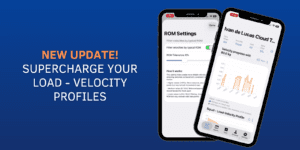
And this is exactly where Aplicativo Spleft earns its place in your toolbox: it gives you objective velocity data and simple daily checks so Readiness-Based Training becomes a repeatable process, not just a coach’s hunch.
BAIXE O APLICATIVO SPLEEFT AGORA PARA iOS, ANDROID E APPLE WATCH!
What is Readiness-Based Training (and what it is not)?
At its core, Readiness-Based Training means you use daily information about how prepared an athlete is—physically and mentally—to tweak training load, volume, or intensity on that day.
That “readiness” signal usually comes from a mix of:
Neuromuscular markers (jump height, bar velocity, sprint metrics)¹
Autonomic state (frequência cardíaca variability, resting heart rate)²
Subjective wellness (sleep, soreness, mood, stress)³
Performance history (how they’ve actually been moving the last few weeks)
It’s not about throwing the plan away every time someone yawns in warm-up. It’s about building a system that:
Detects meaningful drops in readiness
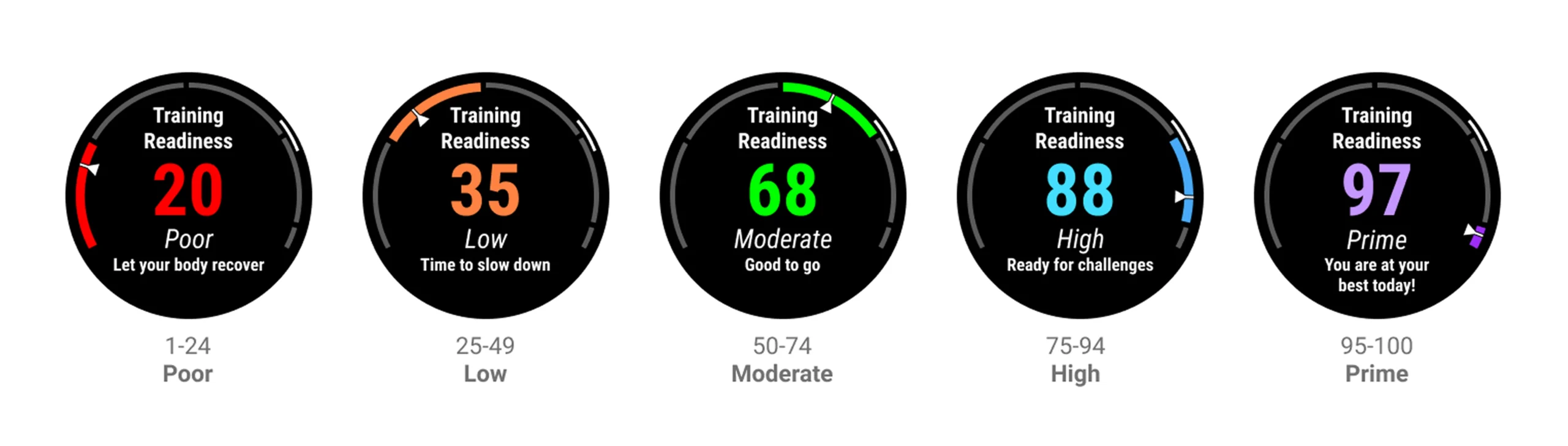
Distinguishes “green, yellow, red” type days
Adjusts how hard e how fast they move while keeping the main goal of the session intact
That’s why Readiness-Based Training pairs so naturally with velocity-based work: velocity tells you, in real time, how today’s nervous system is responding to the same load.⁴
Why readiness fluctuates more than most programs admit
If you’ve coached for more than a month, you’ve seen it:
Same athlete, same 100 kg squat, wildly different bar velocity and bar path depending on the day.
Some weeks where everything feels light, others where warm-up sets feel like a max.
Research on elite youth jumpers and rugby players shows clear relationships between changes in training load, neuromuscular readiness (jumps), and perceptual fatigue. Heavier weeks typically drive down jump performance and increase soreness and fatigue scores, and once load is tapered, neuromuscular readiness and wellness rebound.¹⁵
Heart rate variability (HRV) research tells a similar story: HRV reflects how the autonomic nervous system is coping with cumulative stress—not just training, but life.² Lower, unstable HRV trends often accompany heavy blocks or accumulating fatigue; more stable, higher HRV often aligns with better performance and recovery.
Even simple pre-training wellness scores (sleep, energy, soreness) have been shown to predict player output in team sports: athletes who reported feeling better before sessions produced more external load and tolerated higher work.³
In short, readiness is noisy—but not random. The noise contains information, and Readiness-Based Training is about learning to read that signal.
How velocity unlocks daily readiness (and where Spleeft fits)
Velocity-based training grew out of two observations:
There is a predictable inverse relationship between load and velocidade—heavier loads move slower.⁴
Even at the same load, velocidade drops when an athlete is more fatigued or less ready.⁴
That means if 100 kg usually moves at 0.50 m/s in the squat, but today it’s stuck at 0.42 m/s, your athlete is not in the same state—no matter what the spreadsheet says.
Aplicativo Spleft uses this to make Readiness-Based Training practical in the weight room:
You define target velocity zones instead of just percentages (e.g., 0.60–0.75 m/s for power work)
Spleeft shows you live velocidade for each rep
You adjust load up or down until the athlete hits the zone on that day
At the same time, you can use a simple readiness test—like a few unloaded or lightly loaded jump squats—to establish a daily velocidade baseline. If those jumps are significantly slower than usual, you already know to be more conservative.
A simple readiness triad: neuromuscular, autonomic, and subjective
You don’t need a lab to implement Readiness-Based Training. Think in three lanes:
Neuromuscular readiness
Quick CMJ or jump squat test on Spleeft (best of 2–3 jumps)¹
Key bar-velocity checkpoint on a main lift (e.g., first work set in the squat)
Autonomic readiness
Optional HRV / resting HR trend (morning measurement or weekly checks)²
Subjective readiness
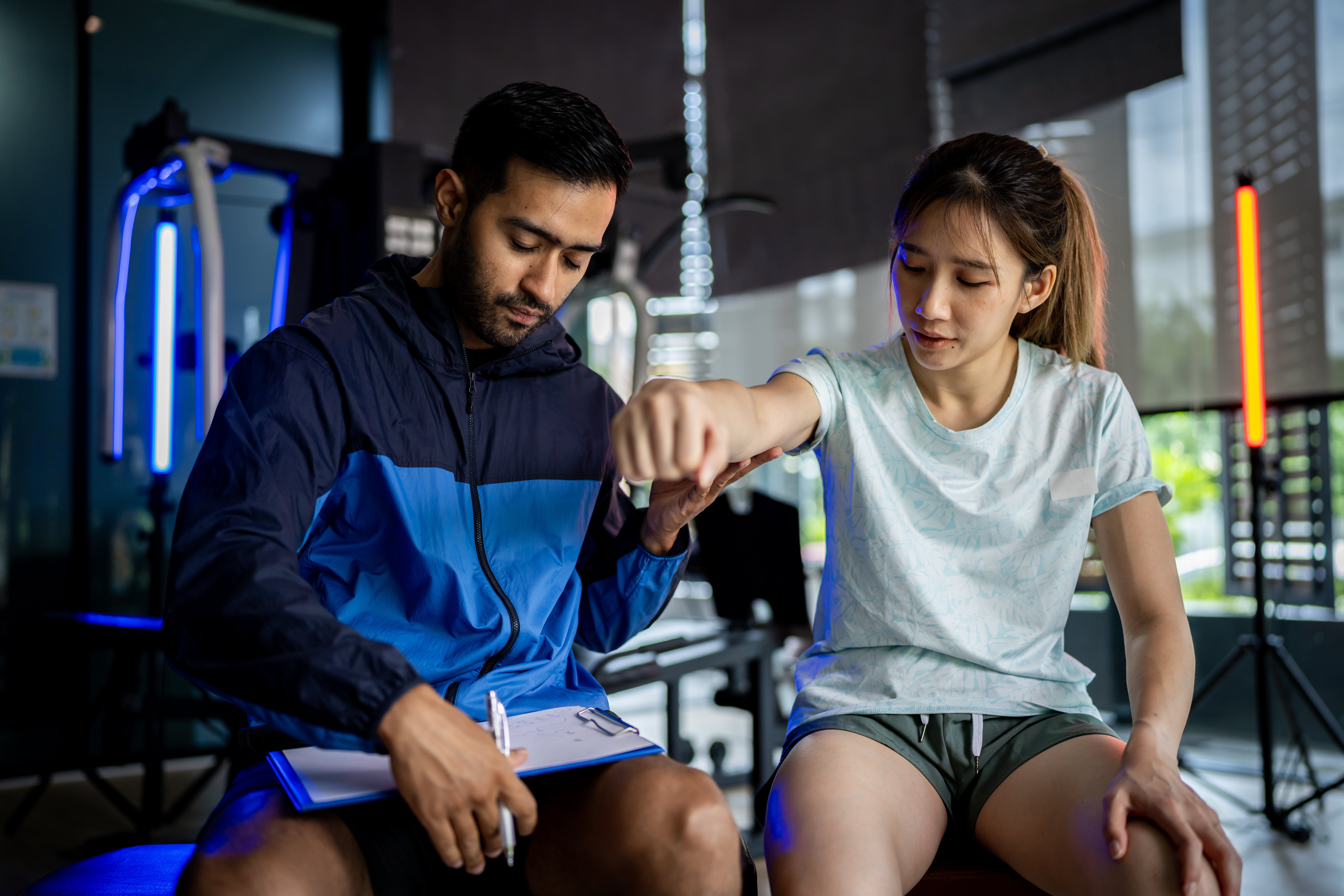
3–5 question micro-survey: sleep quality, muscle soreness, stress, energy³
Readiness-Based Training doesn’t require all three every single day, but combining objective velocidade with at least a simple wellness check dramatically improves your sense of where the athlete is really at.²³
Green, yellow, red: turning data into decisions
Data is useless without rules. Here’s a coach-friendly way to turn Spleeft data and basic wellness into daily calls.
Step 1: Establish baselines
Over 2–3 weeks, collect:
Média CMJ or jump-squat velocidade (best rep) on “normal” days
Typical velocidade for your standard first work set on key lifts (e.g., 3×3 squat at ~0.50 m/s)
Average wellness scores (sleep, soreness, mood, energy)
Step 2: Define traffic-light zones
Use simple thresholds:
Green day
Jump / key-lift velocidade ≥ 97–100% of baseline
Wellness within normal range
Yellow day
Jump / key-lift velocidade ~93–97% of baseline
Mild dips in wellness
Red day
Jump / key-lift velocidade < 93% of baseline or large drop in wellness²⁴
Step 3: Attach clear actions (with Spleeft)
Examples for a heavy lower-body day:
Green: run the day as planned, or add a small top set if velocidade is flying
Yellow: reduce load by 2.5–5%, keep volume, keep velocidade in the planned zone
Red: switch to a lighter velocidade zone (e.g., from heavy strength to power), cut volume by 30–50%, or move the heavy work later in the week
Spleeft lets you see instantly whether the changes are working: if you drop load and velocidade returns to your target zone, you’re where you want to be.
This is Readiness-Based Training in action: simple rules, consistent metrics, decisions tied to real outputs instead of gut feelings alone.
Readiness-Based Training vs fixed-plan training
You don’t need a randomized trial to know that rigid plans sometimes backfire… but we do have research that supports more individualized, readiness-aware approaches.
HRV-guided endurance training protocols have shown that adjusting daily intensity based on HRV (as a proxy for readiness) can improve performance as much or more than fixed plans in trained athletes, largely by avoiding digging too deep on “red” days.⁵
In the strength world, velocity-based approaches that adjust load to hit velocidade zones (rather than blindly chasing percentages) better account for daily readiness and still drive strength and power gains.⁴
So while we don’t yet have a perfect RCT labelled “Readiness-Based Training vs Spreadsheet-Based Training” for every sport, the pattern is clear:
Monitoring neuromuscular and wellness markers helps anticipate performance dips and manage fatigue¹³
HRV and similar autonomic tools, when used with context, help guide training density and intensity²⁵
Velocidade-based load adjustment keeps training intent intact while respecting daily fluctuations⁴
Spleeft lives at the intersection of those pieces by making the velocidade side incredibly easy to track and interpret.
Practical examples: how to run Readiness-Based Training with Spleeft
Let’s run through a few real-world scenarios so this doesn’t stay theoretical.
Example 1: In-season team sport squad
Context: congested match schedule, limited time in the weight room.
Daily flow:
Players complete a 30-second wellness check on their phones (sleep, soreness, energy, mood)
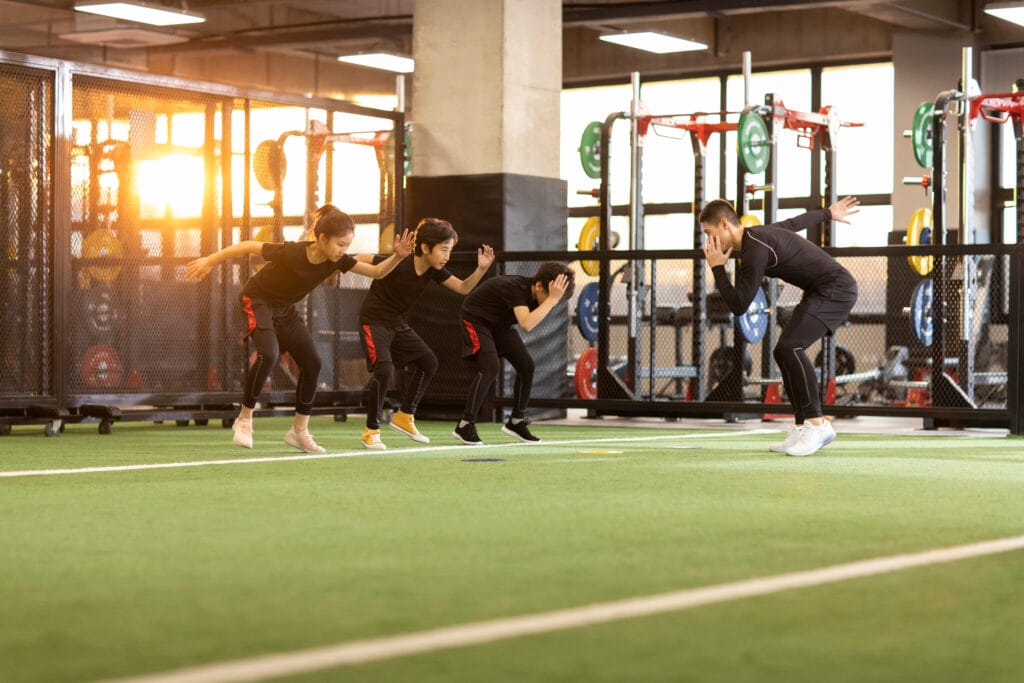
In the warm-up, each athlete does 3 jump squats with a light bar tracked by Spleeft
First working set of squats or trap-bar deadlifts: check velocidade against baseline
Decision rules:
Green (good wellness, normal velocidade): hit planned heavy or strength-power work
Yellow: same exercises, lighter load, maintain velocidade, cut one set
Red: switch to power-focused session (lighter load, higher velocidade), maybe pair with mobility and tissue work
Over weeks, you see which players repeatedly show low readiness after away games, long travel, or exam periods. With Spleeft’s longitudinal data, Readiness-Based Training becomes a living conversation with the schedule, not a static piece of paper.
Example 2: Off-season strength block for a sprinter
Context: high training density, frequent high-intensity exposures.
Weekly structure:
2 heavy lower-body days (squat/hinge focus)
2 track days (acceleration + high-velocity work)
1–2 lighter technical or upper-body sessions
Readiness integration:
Morning: optional HRV / resting HR check to flag systemic fatigue²
Pre-lift: CMJ or jump-squat best velocidade on Spleeft
In-lift: target velocidade zones on squats and pulls
If jump velocidade is down and HRV is suppressed, Readiness-Based Training might call for:
Dropping heavy day after a brutal track session
Swapping in a lighter power session with tight velocidade loss thresholds (e.g., stop sets when velocidade drops 10–15%)
Instead of “push through because it’s written,” you get “push when the system can actually adapt.”
Where Spleeft adds the most value in Readiness-Based Training
There are many ways to track readiness—HRV, wellness apps, force plates, GPS. Each has pros and cons. Spleeft’s edge is that it connects readiness directly to what you’re actually doing in the gym.
With Spleeft you can:
Build and update individual load–velocidade profiles for key lifts⁴
Use first-set velocidade as a readiness indicator and auto-adjust load
Enforce velocidade loss thresholds inside sets to control fatigue
Track trends over weeks or months to see how different blocks affect readiness
In other words, Spleeft doesn’t just tell you como ready the athlete is; it tells you what to do with the barbell today.
This may be the most coach-friendly version of Readiness-Based Training: no extra lab visits, no separate testing day. Just a small layer of velocidade-driven intelligence on top of what you already do.
FAQs
1. Do I need HRV and fancy tech to run Readiness-Based Training?
No. HRV and advanced metrics can add value, but you can start Readiness-Based Training with:
A short wellness questionnaire
A simple jump or bar-velocidade check on Spleeft
From there you can layer in HRV or more advanced tools if you have the bandwidth and context to interpret them properly.²³
2. Won’t adjusting training every day make progress random?
It can if you overreact. The goal isn’t to rewrite the whole program each morning; it’s to make small, targeted adjustments—mostly in load and volume—based on clear rules. Your progression (week-to-week structure, phases, key lifts) stays the same. Readiness-Based Training just changes how aggressively you chase numbers on any given day.
3. How many readiness metrics should I track?
As few as you can get away with while still making confident decisions. For many squads, that might be wellness + one neuromuscular marker (jump or key-lift velocidade). For higher-performance environments, you might add HRV trends or periodic force-plate testing. Too many metrics without clear decisions attached just create dashboard fatigue.
4. Can Readiness-Based Training work with youth or amateur athletes?
Yes—as long as the system is simple and the emphasis stays on learning good technique and consistent habits. For younger or less experienced athletes, you might use Readiness-Based Training mainly to avoid overloading during exam weeks or tournaments: lighter days when wellness is clearly down, normal days otherwise. Spleeft’s velocidade feedback can also help them learn what “moving with intent” actually feels like.
5. How do I sell this to skeptical athletes or coaches?
Start small and show the data. For example, collect two weeks of first-set velocidade on squats and compare it with how players say they feel. Most will ver that their “heavy” days line up with lower velocidade, poor sleep, or long travel. Once people see the pattern, Readiness-Based Training stops sounding like a buzzword and starts looking like common sense—with Spleeft as the proof on screen.

Iván de Lucas Rogero
Desempenho Físico MSC e CEO SpeeftApp
Dedicado a melhorar o desempenho atlético e o treinamento de ciclismo, combinando ciência e tecnologia para gerar resultados.
Referências
McMahon JJ et al. “Ready or Not, Here I Come: A Scoping Review of Methods Used to Assess Player Readiness Via Indicators of Neuromuscular Function in Football Code Athletes.” Strength Cond J. 2022.
Shaffer F, Ginsberg JP. “An Overview of Heart Rate Variability Metrics and Norms.” Front Public Health. 2017. (Applied in athlete monitoring and readiness frameworks.)
Sports Performance Tracking. “Does Wellness Rating Influence Performance?” Case analysis with Oregon Ducks football athletes.
Pareja-Blanco F et al. and VBT reviews: “Effects of Velocity-Based Training on Strength and Power in Elite Athletes.” Systematic reviews of velocidade-based prescription and readiness.
HRV-guided training protocols in endurance athletes: cluster-randomized and longitudinal work on using HRV and well-being to steer daily training.
Training load, neuromuscular readiness, and fatigue relations in elite youth and team-sport athletes.
Application of session-RPE and TRIMP for internal load monitoring and their relation to fatigue and performance.⁷
Practical VBT and readiness guidance from applied sport technology providers (e.g., GymAware, Perch) on using velocidade deviations to adjust daily training.
Emerging multisource readiness models combining HRV, resting HR, movement velocidade, and wellness for individualized, Readiness-Based Training decisions.